The LighthousePlatforms & Products
Creator education, from vision to blueprint
Learning architecture for the creator economy. We helped The Lighthouse develop their education track from vision to delivery-ready blueprint.
The context
The creator economy has reshaped how people build careers, audiences, and businesses. But for all the success stories, most creators navigate unclear paths with limited resources. The infrastructure for learning how to do this well barely exists.
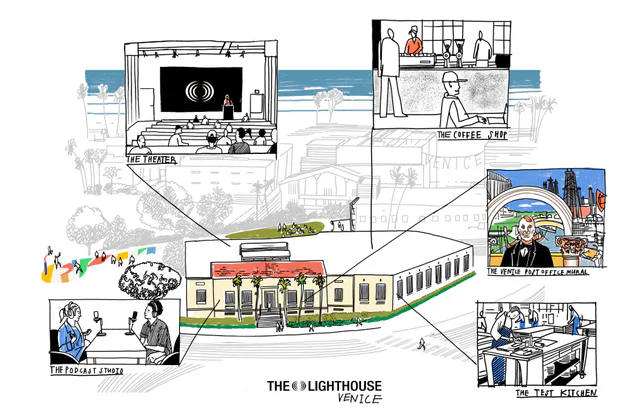
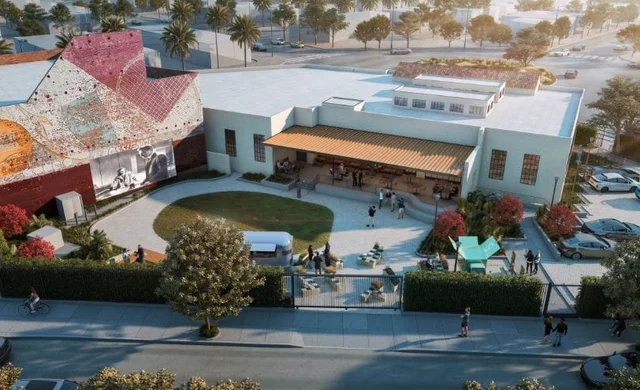
The Lighthouse, a new venture from Whalar (the global leader in influencer marketing and creator partnerships), set out to change that. With flagship spaces opening in New York and Los Angeles, they weren't building another coworking space. They were building a hub for creator education, connection, and growth.
The challenge
The ambition was clear: create world-class programming that helps creators and their teams build sustainable careers. But translating that ambition into something concrete was harder. What should the education track actually contain? How should it be structured? What would make it different from the content already flooding YouTube and course platforms?
The Lighthouse team had ideas, energy, and stakeholder opinions pulling in multiple directions. They needed to move from vision to blueprint.
What we built together
Over three months, we worked alongside the Lighthouse team as executive producers, helping them develop the education track from concept to delivery-ready architecture.
Three months, in order
- DiscoveryStakeholder interviews, and a shared picture of the starting point
- Education pillarsWorkshops to define what the track covers, and who builds each part
- Framework and blueprintsAn LX Canvas for the track, and guides for how sessions run
- RecommendationsPriorities, hunches worth testing and challenges to watch
Discovery and alignment
We started with stakeholder interviews to surface what was actually driving the different perspectives internally. What emerged: competing definitions of success, underestimated resources, and assumptions about the audience that needed testing. The interviews gave everyone a shared picture of where they were starting from.
The education pillars
Through collaborative workshops, we helped the team define what the education track would actually cover. Not a generic list of "business skills for creators" but a structured set of pillars tied to the gaps creators actually face.
The work included identifying which content they could build internally, what required external partners, and where they had existing IP to activate.
Learning framework and delivery blueprints
We developed an LX (Learning Experience) Canvas to structure the education track, aligning goals, audiences, formats, and outcomes into a coherent system. This became the team's working blueprint for what to build and how to sequence it.
The engagement also produced delivery blueprints: practical guides for how sessions would run, what hosts would need, and how programming would evolve over time.
Recommendations and next steps
We closed with a recommendations packet: immediate priorities, strong hunches worth testing, and potential challenges to watch for. Not a strategy deck to file away, but a working document the team could act on.
What shifted
By the end of the engagement, the Lighthouse team had:
- A structured education framework they could build against, not just talk about
- Clear content pillars with defined scope and sequencing
- Delivery blueprints ready for the hosts and the program team
- Team alignment around what success actually looked like
The work moved creator education from an ambitious idea to something with architecture.
Turning an education ambition into something with actual architecture? Book a 20-minute call →
More case studies
Publicis Sapient
Turning one shared experience into twenty rooms of practice
PS Starship gave 1,300+ leaders a shared experience. Then they needed to talk about it, so we built three drills and ran them twenty times on Rondo.
NYC.gov
An accelerator for New York media founders
Three months of live and digital sessions for New York media founders, built with industry mentors.
Publicis Sapient
A leadership rollout people could feel
Publicis Sapient was rolling new Leadership Expectations out to 20,000 people. We turned them into a starship they play in the browser, and team leads asked for more.