DIGPlatforms & Products
Six weeks of listening, then four builds for a chef academy
DIG's academy had plenty of material and not enough of it in use. Six weeks of interviews and observation became a menu of more than 15 ideas. DIG picked four, and we built them in the next 12 weeks.
86NPS, Train the Trainer pilot
Thursday, and DIG's weekly Field Call is under way: an hour on a video call for the people who run its restaurants. We're on the line to watch, not to speak. The same couple of people design and lead it every week. Add up everyone listening, and the call costs more than 60 hours of leadership time.
The challenge
DIG runs 30+ fast-casual restaurants, and its menu changes four times a year. Every change has to reach every kitchen. DIG Academy was meant to carry all of it, through classroom sessions, the weekly Field Call and The Pantry, its online learning platform.
The material existed. Using it was the problem. Midway through the Exploration, someone on DIG's People team put it plainly in an email:
"I fear that we are falling into a situation where so much has been created, but it's not being utilized either because it is too hard to locate, or it is too visually overwhelming to consume."
So DIG asked us to look at the whole academy before anyone built anything.
What six weeks of listening turned up
- The Test Kitchen was underusedDIG's best room for learning, used far less than it could be.
- The classroom told, it didn't showContent that was too high-level, and slow to deliver.
- Careers were hard to seeThe routes up through DIG weren't clear or compelling enough.
The Exploration
For six weeks we got to know the people the academy was for. Ten interviews, from new chefs to the Head of Talent. A visit to the Test Kitchen. A Field Call, watched from start to finish. And a long look through every page of The Pantry, with a list of what was broken.
The Exploration · six weeks
- Listen10 interviews, from new chefs to the Head of Talent
- VisitA Test Kitchen visit, then a Field Call observed
- Use itEvery page of The Pantry, bugs logged
- MapThree personas: a new chef, a chef operator, an ops manager
- The menuMore than 15 ideas, the nine strongest grouped into three Loops
- ReviewA Notion packet, talked through with DIG's leadership
From the interviews, word for word:
“Taught me what my team should be doing, not what I should be doing.”
“COs leave because of misaligned expectations, not a realistic in-the-role picture.”
“We ask a lot, but we offer more too.”
What we built
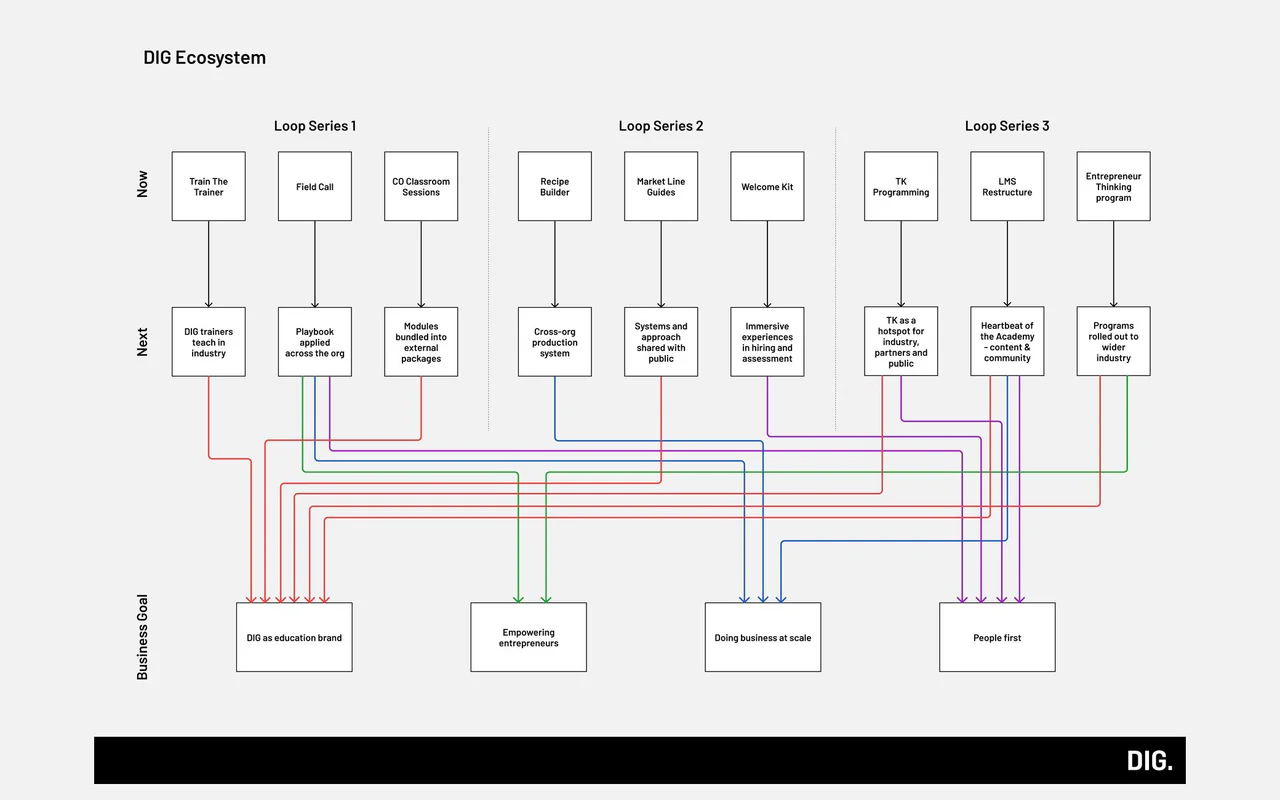
DIG picked four ideas from the menu. We built them in one 12-week Loop: plan, design, build, launch and measure, then pick again.
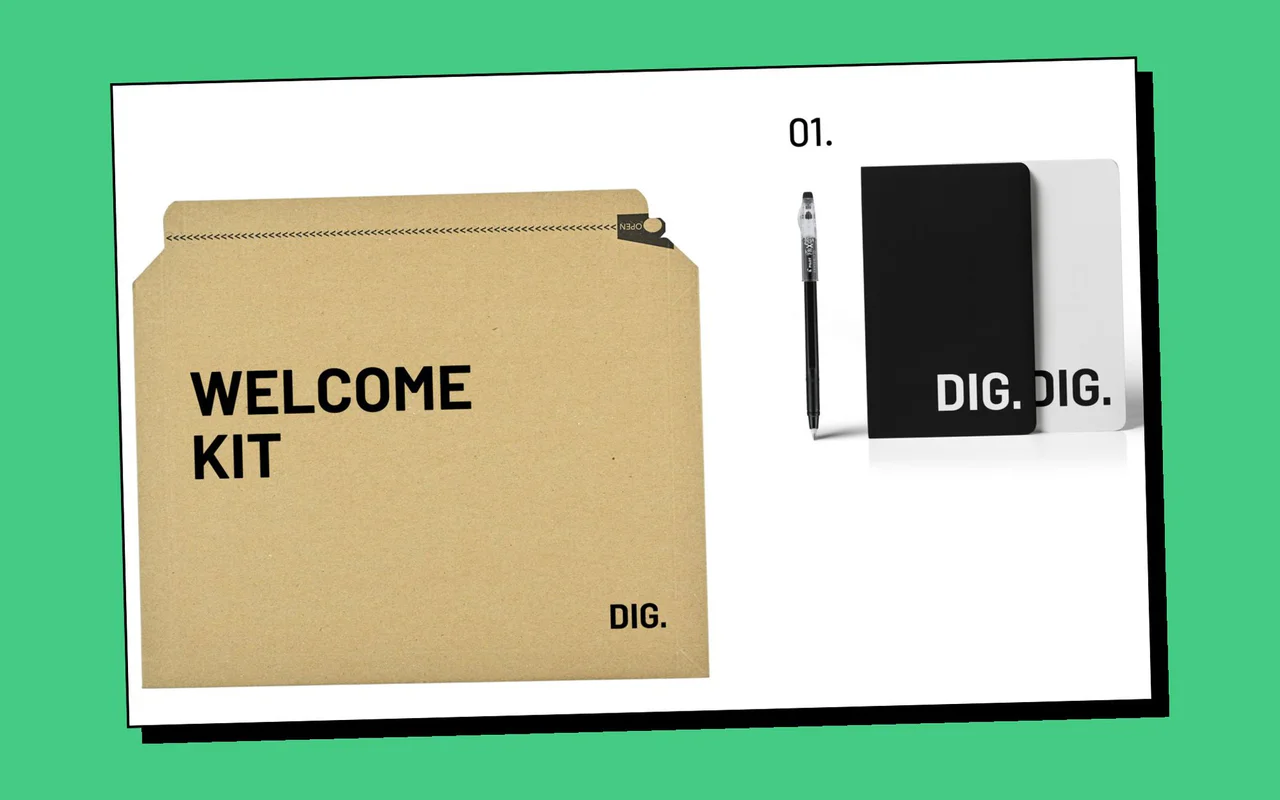
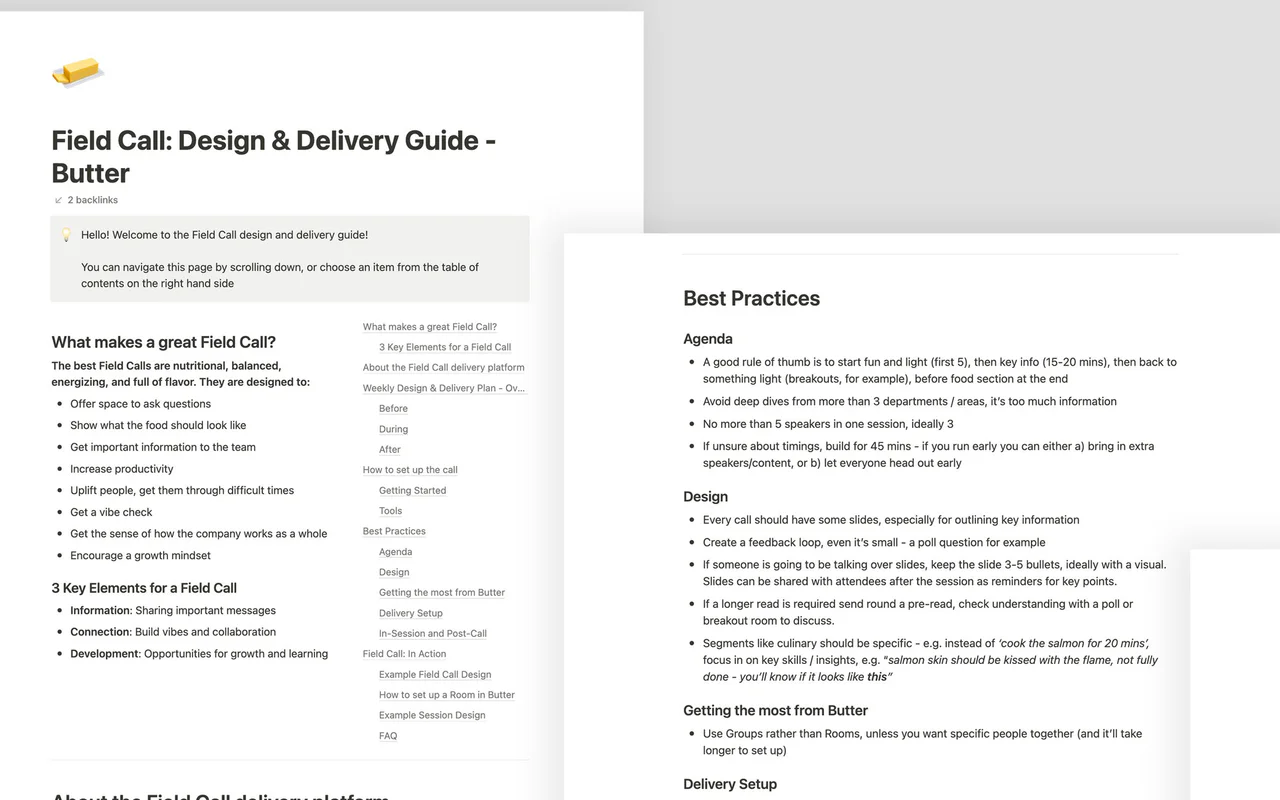
- Build 1The Field CallA new platform, a library of agendas and a guide for the people who run it. The first redesigned call scored an NPS of 59, against a goal of 20.
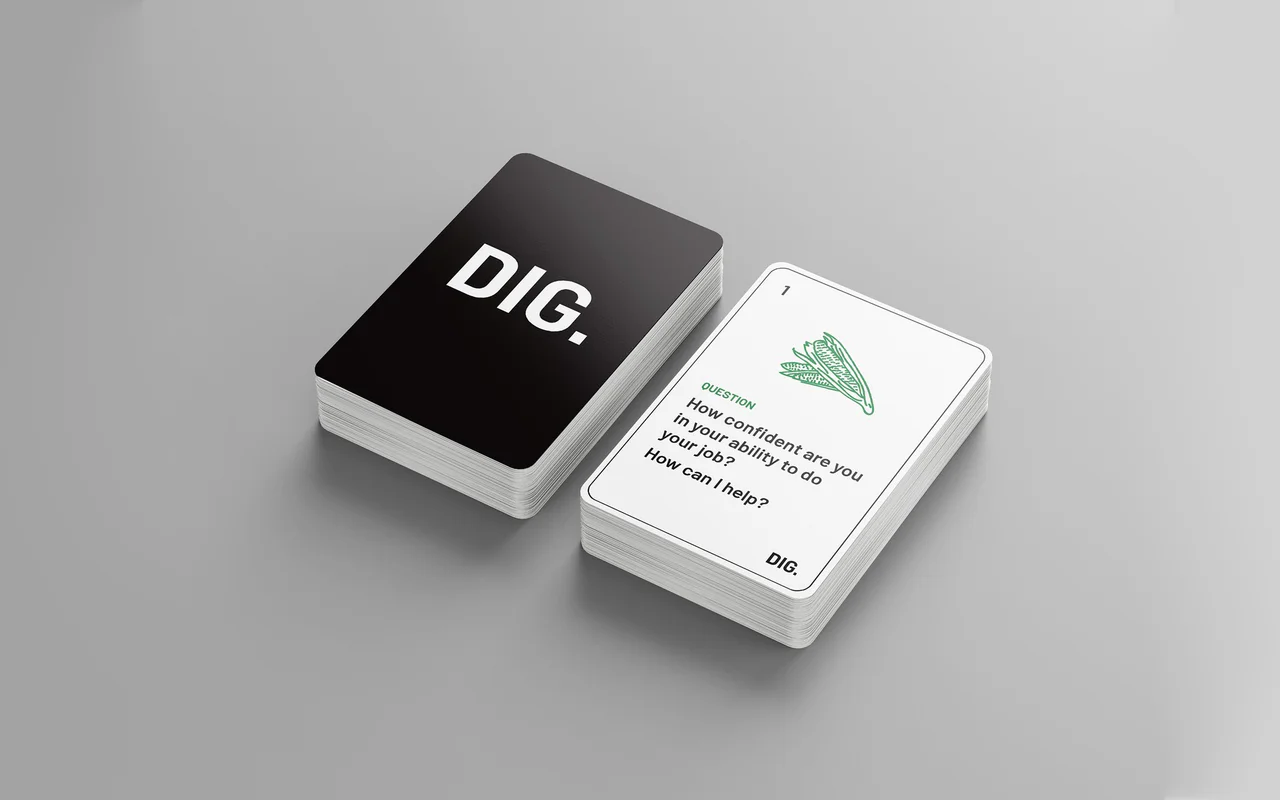
- Build 2The classroomA new map for new chef operators, 13 sessions redesigned, guides for the people who run them, and one-to-ones with 13 DIG team members. All three test sessions scored 10 out of 10.
- Build 3Train the TrainerA five-session pilot for 8 DIG people who teach others. Rated 9.1 out of 10, with an NPS of 86.
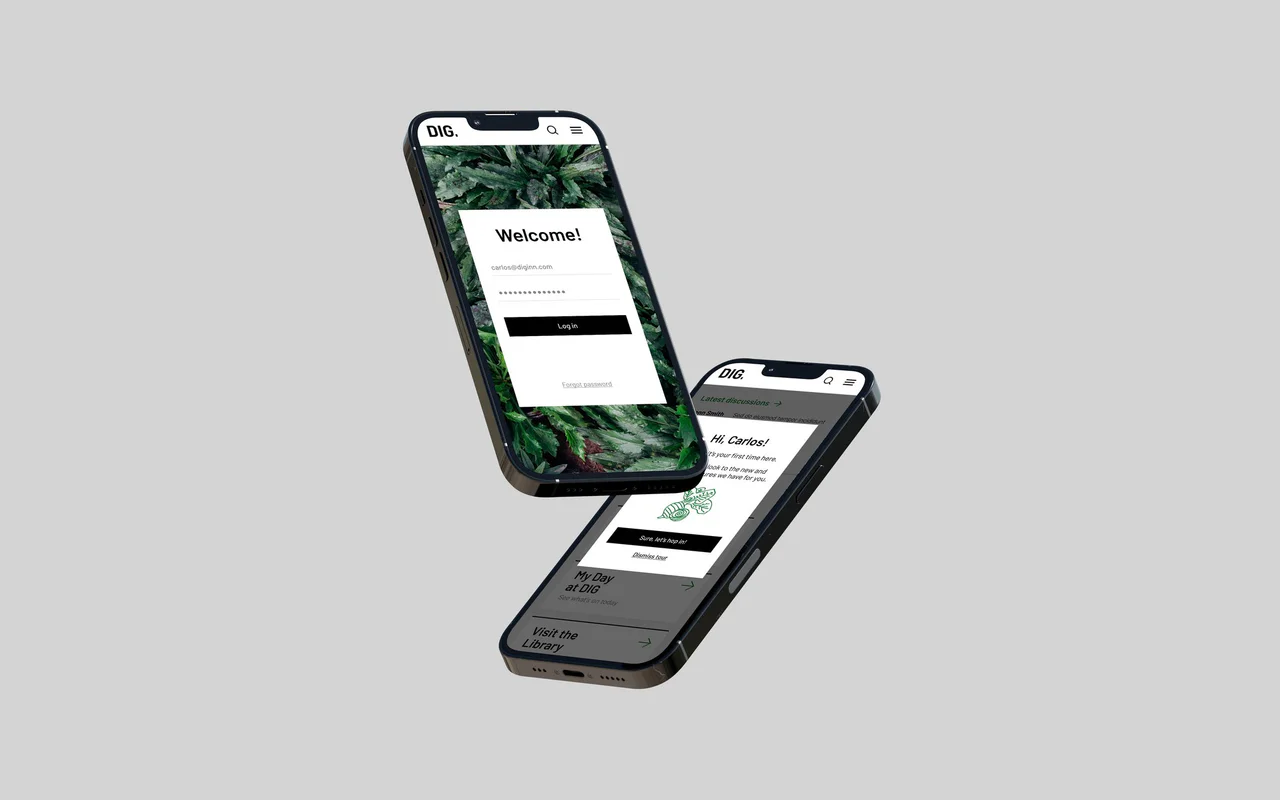
- Build 4Pantry PrototypesA new structure for The Pantry, prototyped and put through 14 user tests. DIG users gave it a usability score of 89.6, which counts as excellent.
Inside a session
Take Train the Trainer. Before it, teaching at DIG ran on a couple of worksheets in The Pantry and know-how passed informally from one trainer to the next. The pilot gave 8 DIG people a shared way to design and run a session, each built around a project of their own.
Train the Trainer · five sessions over two and a half weeks, DIG's Teaching Kitchen
- Learning scienceThe science of how people learn
- DesigningPlanning a session from the start
- Activities and storyActivities and narrative, built into the session
- HostingRunning a session in the room
- Showcase20-minute demos of the work
The pilot scored 9.1 out of 10, with an NPS of 86, against a goal of 8 out of 10. In our retro, the note we wrote was that people were already using what they'd learned.
What happened next
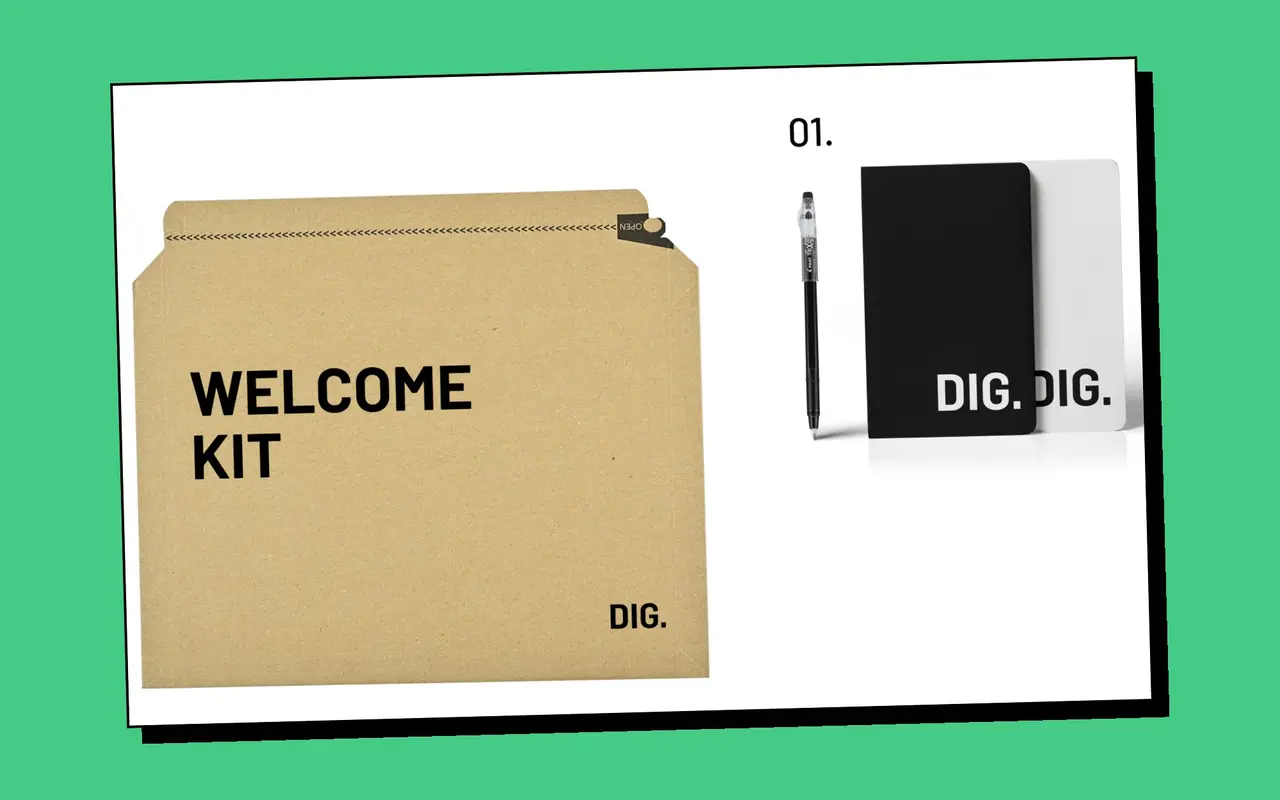
The Pantry tests settled a bigger question. The old platform couldn't be changed enough to fix it, so in the next Loop DIG chose a new learning space, after demos from five vendors. Train the Trainer got a new name, "Yes, Chef!". And the second Loop turned to building at speed: a new orientation for chefs on their first day, a Sous Chef Program, and the winter menu on film. That's the build study →
Our own score for the first Loop was 8.5 out of 10. The main thorn was glitches on the Field Call's new platform.
Know your academy has the material, but not why nobody's using it? Book a 20-minute call →
More case studies
DIG
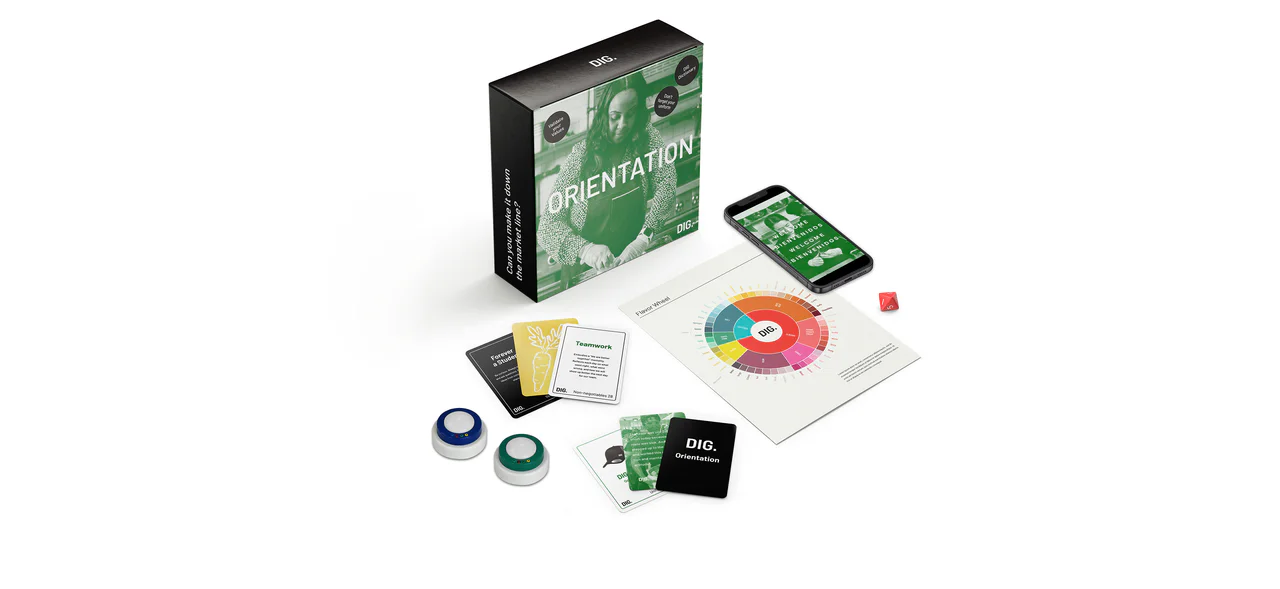
A first-day orientation rebuilt from 1 video and 2 activities into 5 games and 13 videos
The build half of our work with DIG. In four months we turned the first day for new chefs into a session of games and original video, made six games for a Sous Chef Program, chose a new learning platform and filmed the winter menu.
The Lighthouse
Creator education, from vision to blueprint
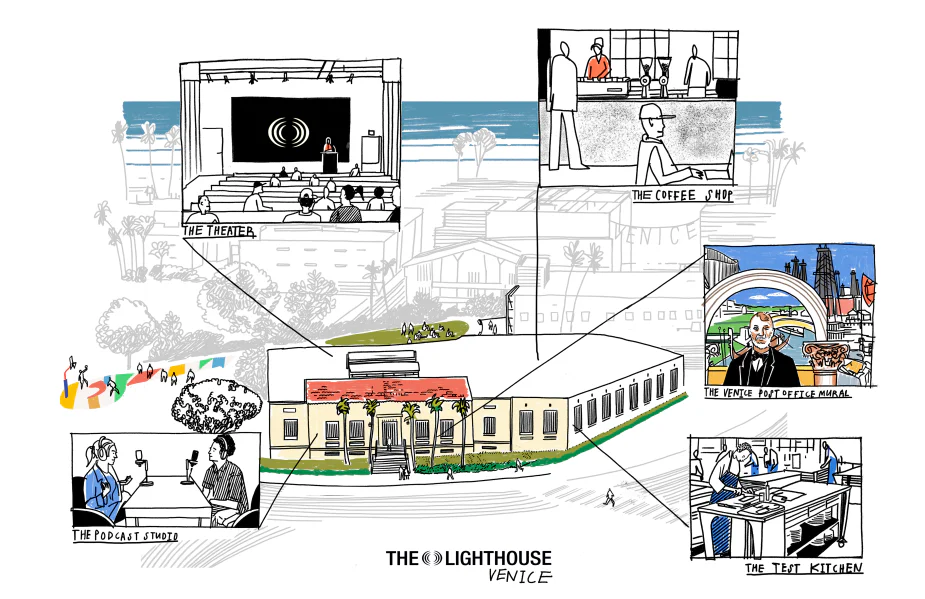
Learning architecture for the creator economy. We helped The Lighthouse develop their education track from vision to delivery-ready blueprint.
Publicis Sapient
A firm-wide leadership rollout, played as a 20-minute space mission
Publicis Sapient was rolling new Leadership Expectations out to 20,000 people. We turned them into a 20-minute space mission played in the browser, opened first to its Director+ leaders.