Havas MediaPrograms & Workshops
A strategy team trading stories, then turning them into pitches
Havas Media's New York strategists, in one place for the first time in two years. We had them swapping personal stories, then sketching eight ideas in eight minutes and pitching the best one in 90 seconds.
8.4out of 10
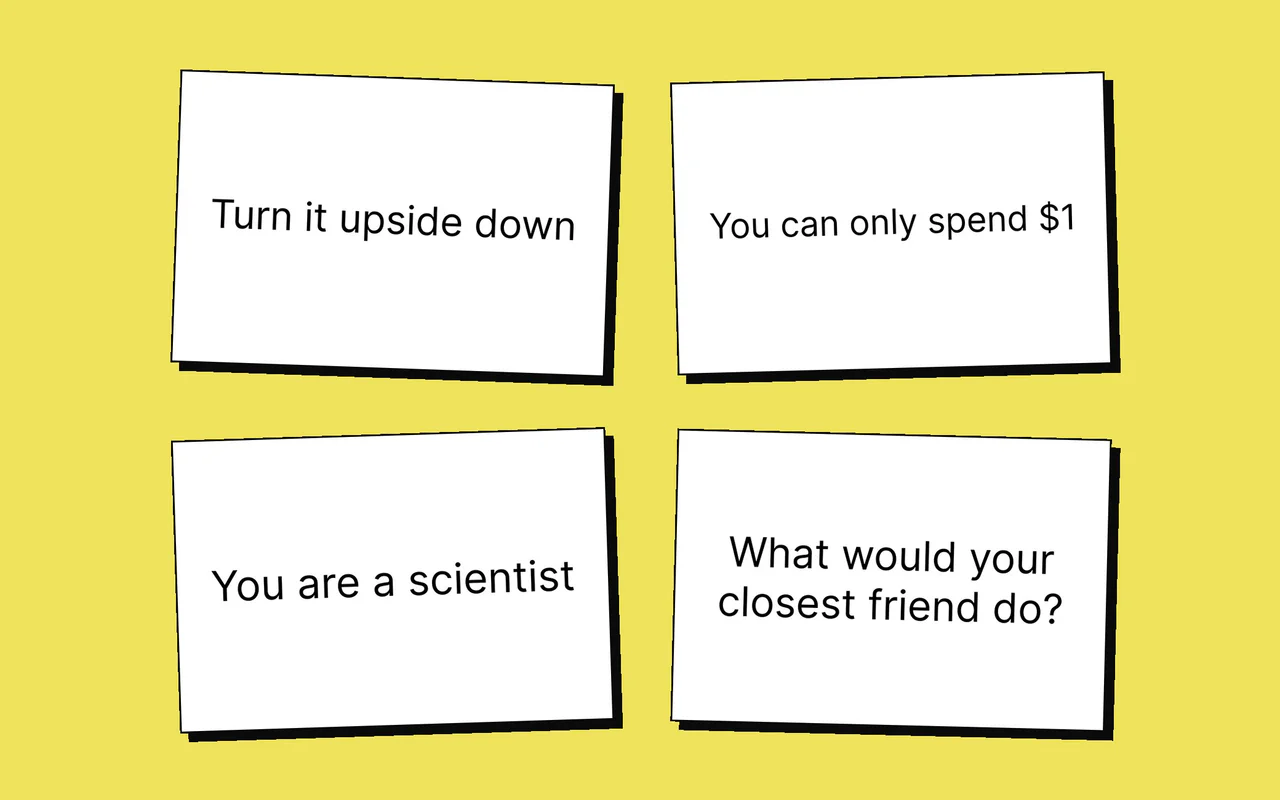
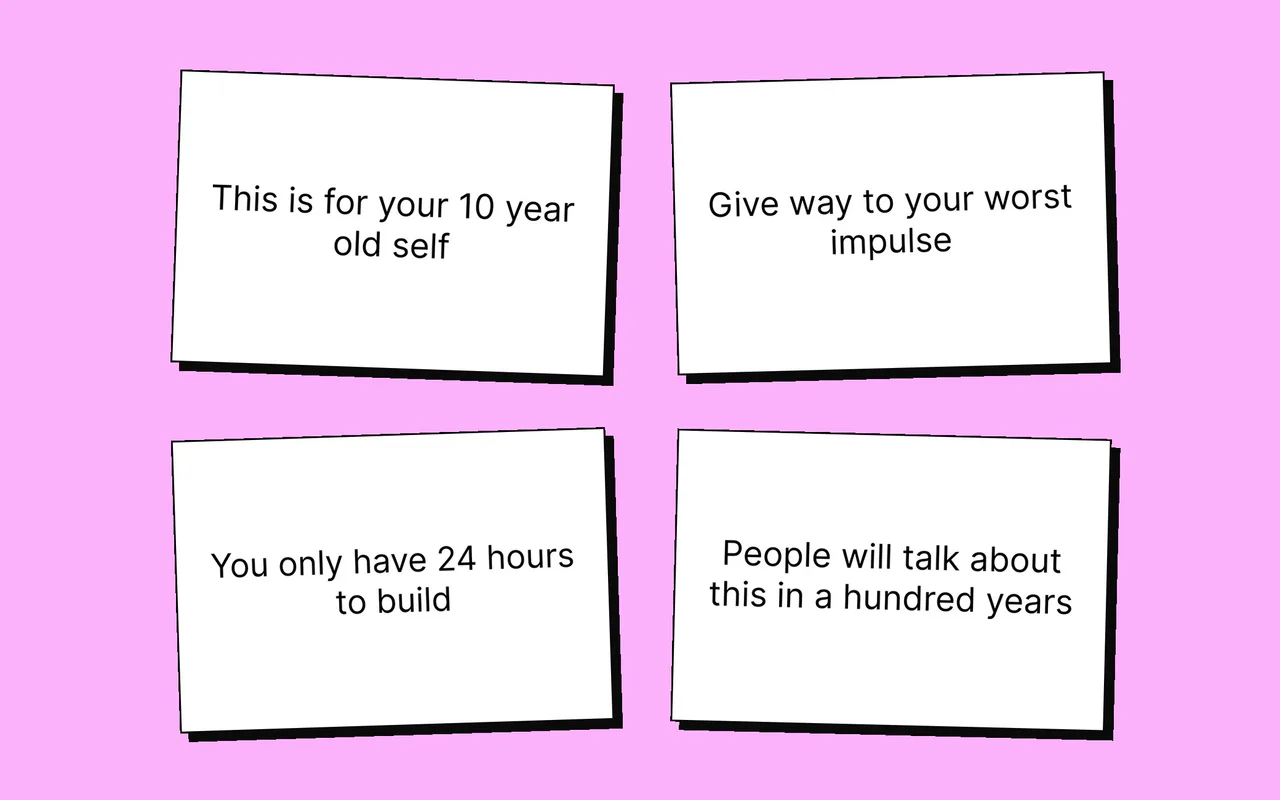
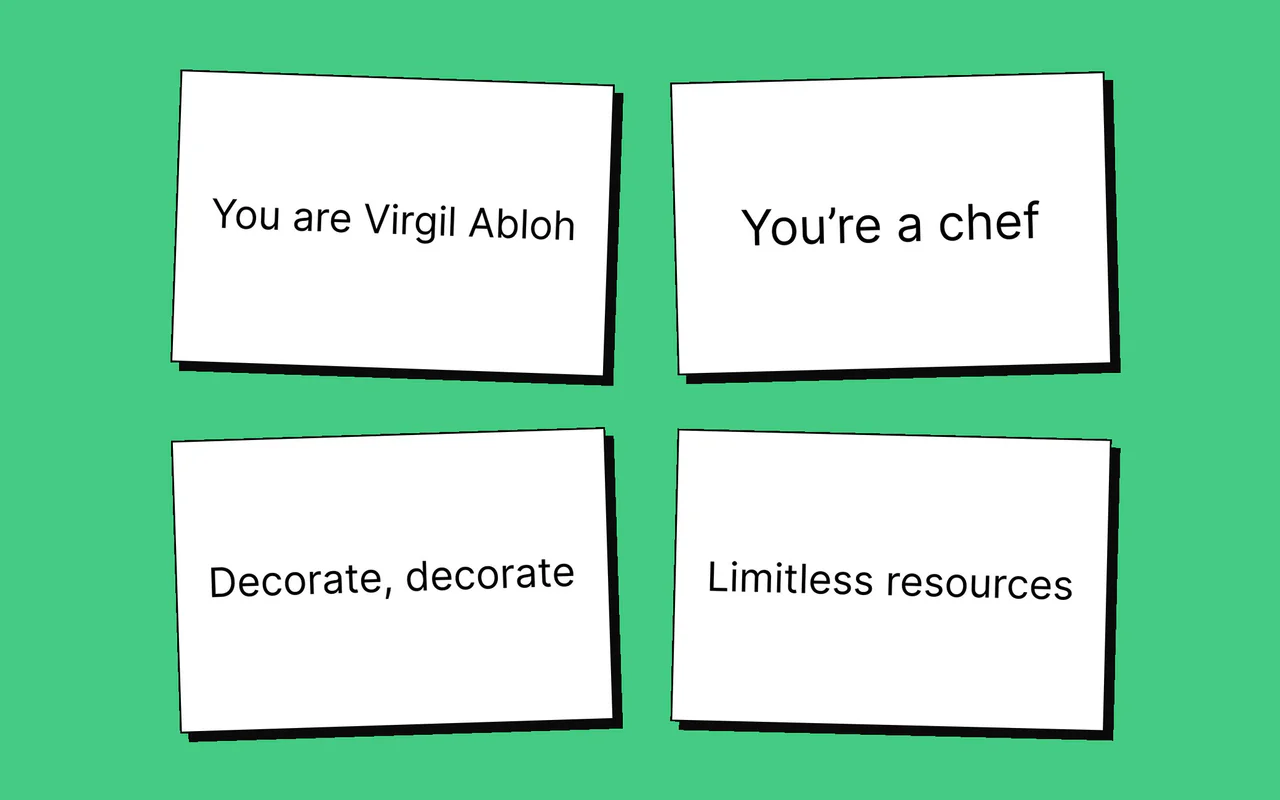
Every table has a pack of flashcards. One says "You are Virgil Abloh". Another says "You can only spend $1". The brief on the screen is built from three stories the hosts overheard earlier in the session, and everyone has eight minutes to sketch eight ideas for it. One minute each. Rough is the point.
The challenge
Havas Media's strategy team in New York spends its days being the people with the answers. When they got together in person for the first time in two years, the team's leaders wanted something different from the usual agenda: time to reconnect, a voice from outside the agency, and a reason to think beyond the strategist's lane.
The question we started from was a simple one. Everyone in the room was an agency strategist, but who else were they? There were 32 people with different backgrounds, hobbies and first jobs, and very little time at work to find any of that out about each other.
When we agreed the brief with the team's leaders, we split the session's purpose three ways, and learning was the smallest share:
The agency's own theme that year was Meaningful Media, so we took it literally and started with what was meaningful to them.
What we ran
The session was called Atoms & Eights. The team's Chief Strategy Officer opened it, and followed it with her own session on pitching, so the team went from stories to ideas to how you sell them.
Atoms & Eights
- StoriesA short talk: cooks, chefs and what makes something worth telling
- AtomizationNine words from your life, a partner picks one, you tell the story
- New Wine, Old OakWhy combining old and new ideas makes 1 + 1 equal 3
- Crazy 8sEight sketches, a minute each, with a pack of flashcards
- PairsPick an idea or mash two together, then storyboard it in eight cells
- The pitch90 seconds, no more
Atoms first
Everyone wrote three words or phrases in each of three categories, a minute per category and one sticky note each: their career so far, their interests and hobbies, and things from when they were young. Each person then chose a favorite from each category, and their partner picked the one they most wanted to hear about.
It's a small thing to ask, and it's rare for anyone at work to ask it (rarer still for them to listen to the answer). So the last step tested the listening. Everyone stood up, found someone new and told them their partner's story in 30 seconds.
Atomization: from nine sticky notes to someone else's story
- WriteThree categories, a minute each, one word or phrase per sticky note.
- ChooseIn silence, the storyteller picks one note from each category.
- PickThe listener picks the one of the three they want to hear.
- TellA 90-second story about it. The listener only listens.
- Feed backSixty seconds of "I like" and "I wish", then switch roles.
- RetellFind someone new and tell your partner's story in 30 seconds.
Old oak, new wine
Between the two halves came the idea that joined them. Derek Thompson puts it neatly: to sell something familiar, make it surprising, and to sell something surprising, make it familiar. The ideas that spread tend to be new wine in an old oak barrel, and the skill is in getting the blend right.
New wine, old oak: 1 + 1 = 3
- Thrift storeThe creator economyUpcycling
- HeirloomsAn existential crisisWill writing
- Microsoft OfficeThe 60-second videoMiss Excel
Then eights
The stories became the raw material. We built a "How might we...?" brief from three of the ones we'd overheard, and each person sketched eight answers to it in eight minutes. To keep anyone from settling on the obvious, every table had a pack of flashcards, some direct, some oblique and a few frankly ridiculous.
Then, in pairs, they shared their favorites, picked one or mashed two together, and drew it as a storyboard of no more than eight cells. Last came a 90-second pitch. Strategists are used to pitching, but they're less used to doing it with something they drew twenty minutes earlier.
Crazy 8s: twenty minutes from a blank page to a pitch
- Sketch8 minutes, soloEight ideas, one a minute: a rough sketch and a one-liner each.
- Pick5 minutes, in pairsShow your favorite, then choose one or mash two together.
- Storyboard7 minutesDraw the idea as a pre-pitch, eight cells at most.
- Pitch90 secondsTo the rest of the table, with the clock running.
What they said, and what came next
The session scored 8.4 out of 10 and the hosts 9.65, and everyone who filled in the form said it met their expectations. Asked for the best bits, people kept coming back to the same two things: sharing stories, and working under constraints without any pressure or stress.
The last slide left them with four things to take back to their desks. Stories are fuel. Think like a chef, not a cook. Blend old and new. Look for inspiration where nobody else is looking.
Then the Chief Strategy Officer took over for her session on pitching. The team had spent the session finding stories and turning them into ideas, and the next thing they did was learn from their own leader how to sell one.
Got your team in one place for a day? Book a 20-minute call →
More case studies
The New York Times
Turning research into stories: two workshops for an insights team
An insights team of five did strong research, then lost people in the slides. Two workshops on their own live decks, and their next big share-out drew compliments from marketing leadership.
Wasserman
A day back together for 73 people after nearly two years apart
An experiential marketing team, in one place for the first time in nearly two years. We turned the reunion into a day of practice at finding ideas: spotting trends in the morning, pitching for 2041 by the afternoon.
DIG
A first-day orientation rebuilt from 1 video and 2 activities into 5 games and 13 videos
The build half of our work with DIG. In four months we turned the first day for new chefs into a session of games and original video, made six games for a Sous Chef Program, chose a new learning platform and filmed the winter menu.