TBN AmericasConferences & Events
An impact investing workshop for family offices
A custom card game and a hosted simulation on values-based investing for multi-generational family-office executives, making conversations about wealth transition both strategic and human.
They were the kind of room that checks email through most sessions. Type A, high-achieving, successful enough to have sat through every format going, and skeptical of anything that smelled like a game. Announce "we're going to play something," and you can lose a room like this in the first two minutes.
The challenge
TBN Americas exists to bridge the finance gap between impact investors and entrepreneurs in Latin America and the Caribbean. They were launching the Catalytic Capital Academy, and it kicked off with the first-ever Catalytic Capital Summit, hosted by Francisco Marroquín University in Guatemala.
The room was family-office executives from Guatemala, El Salvador, Panama and beyond: multi-generational wealth holders, impact investors, fund managers.
They needed more than keynotes and panels. Impact-investing decisions are shaped by family dynamics, generational tension and unspoken values, and you can't lecture people into understanding those forces. They have to feel them. The brief was to design sessions that:
- engage a skeptical, high-achieving crowd
- make abstract concepts tangible
- create space for difficult conversations about succession, risk and legacy
And nothing could feel gimmicky, because this audience wouldn't tolerate it.
So we designed two distinct experiences: one to help participants understand their own family systems through a fictional lens, and one to give them access to how a real impact investor thinks through real dilemmas.
What we built
Family Matters: a card game about wealth, values and generations
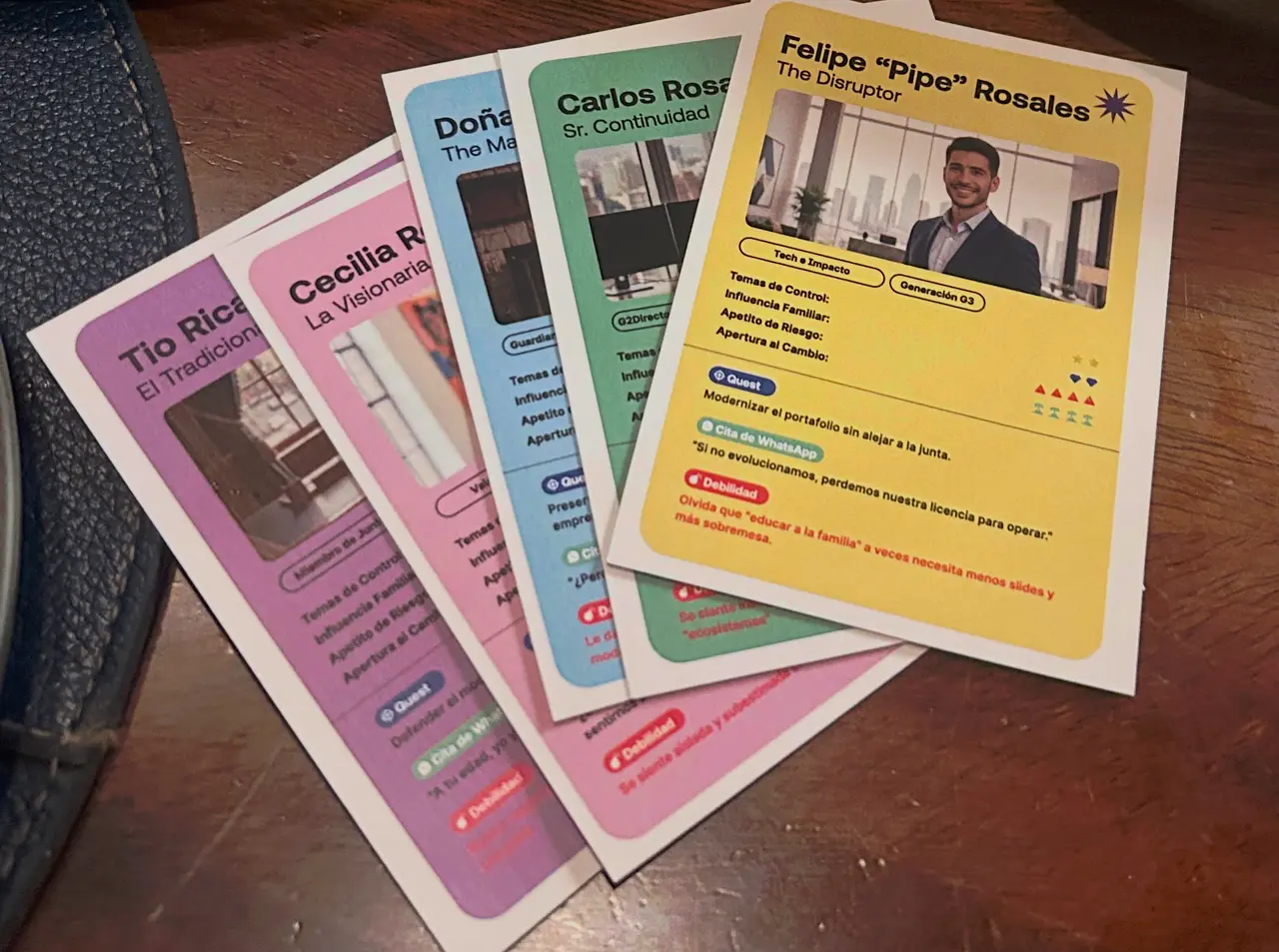
A 75-minute card-based experience centered on the fictional Rosales family, a Latin American family office in transition: the matriarch stepping back, the third generation stepping in, old money meeting new ideas about impact.
We knew a game on its own would trigger skepticism, so we didn't announce one. We opened cold, with a 60-second video introducing the Rosales family, voiced in the style of an old corporate documentary and using assets that matched the game's visual identity. Participants didn't know what was coming, and the surprise did the work.
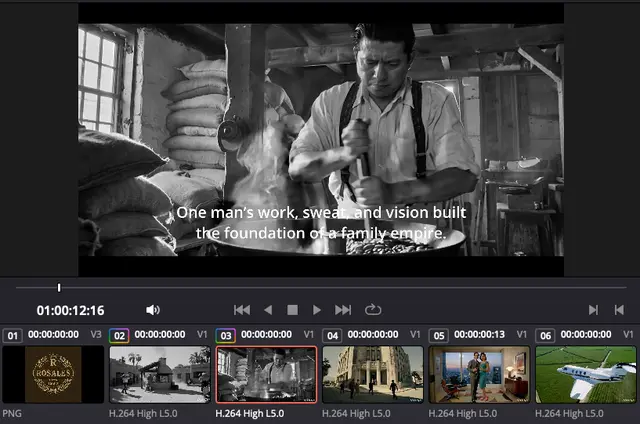
Three ten-minute rounds, each with clear objectives, and both competition and collaboration built in. Physical materials in manila envelopes created ritual and tactile engagement: people opening, distributing, spreading cards across tables.
We brought in external judges, including Monica from TBN, who had deep credibility with the group. When the judges took their role seriously, the teams matched that energy.
The serious-fun calibration worked. Participants weren't playing a game; they were rehearsing decisions they might actually have to make. The characters triggered pattern matching: "I know someone just like this."
The Lucha Innovation Lab: a real investor's decisions
The second experience was a 90-minute scenario. Participants stepped into the role of Nacho Arenas, co-founder of Lucha, a real catalytic-capital fund based in Lima. His calendar is overbooked. Five pressing decisions are waiting. Teams can only address three.
We built the scenarios from actual situations Nacho had faced:
- a struggling founder asking for support
- three early-stage founders competing for limited capital
- a co-investment with a brilliant but difficult founder
- signs of burnout in the team
- a keynote that needed the right framing
Each came with voice notes, Slack threads and founder personality cards: rich context that could be skimmed in a minute or studied for thirty. Both were valid.
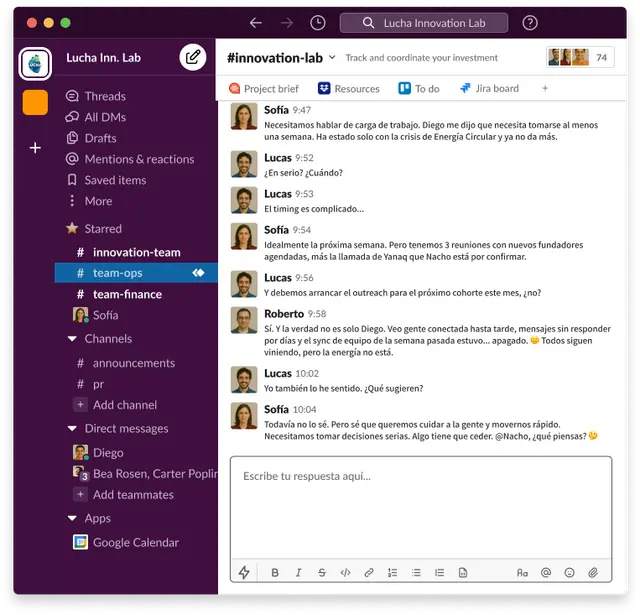
The Lucha Innovation Lab · 90 minutes
- Nacho's calendarFive pressing decisions, time for three
- The contextVoice notes, Slack threads and founder cards, skimmed or studied
- The callsEach team picks its three and decides
- The revealNacho shares what he actually chose, and why
Then the reveal: Nacho himself appeared to share what he actually chose, and why. Not just answers, but his reasoning, his trade-offs, the context that shaped each call. The teams felt the pressure of each decision first, then heard how someone with real stakes thought it through.
We had a moment of terror before the session, when Nacho sat silently for what felt like an hour, reading the materials we'd built. We thought we'd gotten it completely wrong. Then he said: "I think it's this one, but it's hard because..."
That's when we knew we'd hit the right level of complexity. If the founder himself had to sit and think, we'd built it right.
What shifted
The skeptical, Type-A crowd opted in. People who normally check email through sessions were leaning in, debating, laughing. Even the end-of-day slot (post-lunch, after two back-to-back keynotes) held full engagement.
More importantly, the conversations were genuinely strategic. Participants weren't giving surface-level responses; they were wrestling with real tensions around risk, values and legacy.
The fictional frame gave them permission to say what they really thought about impact investing and generational dynamics: the things that are hard to say directly across a boardroom table.
Running a summit for a room that's seen every format? Book a 20-minute call →
More case studies
mci group
A keynote and workshop for a global leadership academy
A keynote and a workshop for 350 leaders facing calls with no clear answer. The CEO kept using the keynote's language for weeks.
Wasserman
An off-site for an experiential agency
A one-day team gathering featuring design-thinking workshops, creative exercises, and team-building inspired by Virgil Abloh's methodology. Worth the two-year wait.
XP Conference
Eight workshops for the MENA music industry
Eight workshops spanning copyright law to crowd safety, gender parity to nighttime economies, designed for the MENA music industry's fastest-growing conference across four continents.