An AI-acceleration keynote and a scenario-based workshop that gave 350 leaders a framework for making decisions under ambiguity - and a shared vocabulary their CEO kept using for weeks after.
Challenge: Open the leadership forum with something leaders would practice, not just watch - decision-making under ambiguity
What we built: A 20-min keynote ("Three Big Bets and the iPhone Moment") + a custom live betting app + a two-sprint Adaptive Leadership workshop on a built-from-scratch scenario
Scale: 350 senior leaders, in a single morning
Result: 91% recommendation - the Academy's highest ever; the CEO still using the framework's vocabulary in leadership meetings weeks later
The slide read "Three Big Bets and the iPhone Moment." Three hundred and fifty senior leaders - managing directors, business unit heads, regional leads - leaned forward. This wasn't the usual AI hype deck. It was a provocation: where are you placing your bets, and are you ready for your industry's iPhone Moment?
MCI Group is a global agency and professional services organization - events, marketing, association management, advisory - with 2,000+ people across 60 offices in 30+ countries.
.jpeg)
Its annual Business Academy brings senior leadership together for a strategic forum, and this year's theme was "Forces in Motion": AI acceleration, shifting client expectations, the future of leadership. Not a single transformation, but overlapping, continuous change - the kind of environment where the old playbooks stop working and leaders need new ways to think, not just new information.
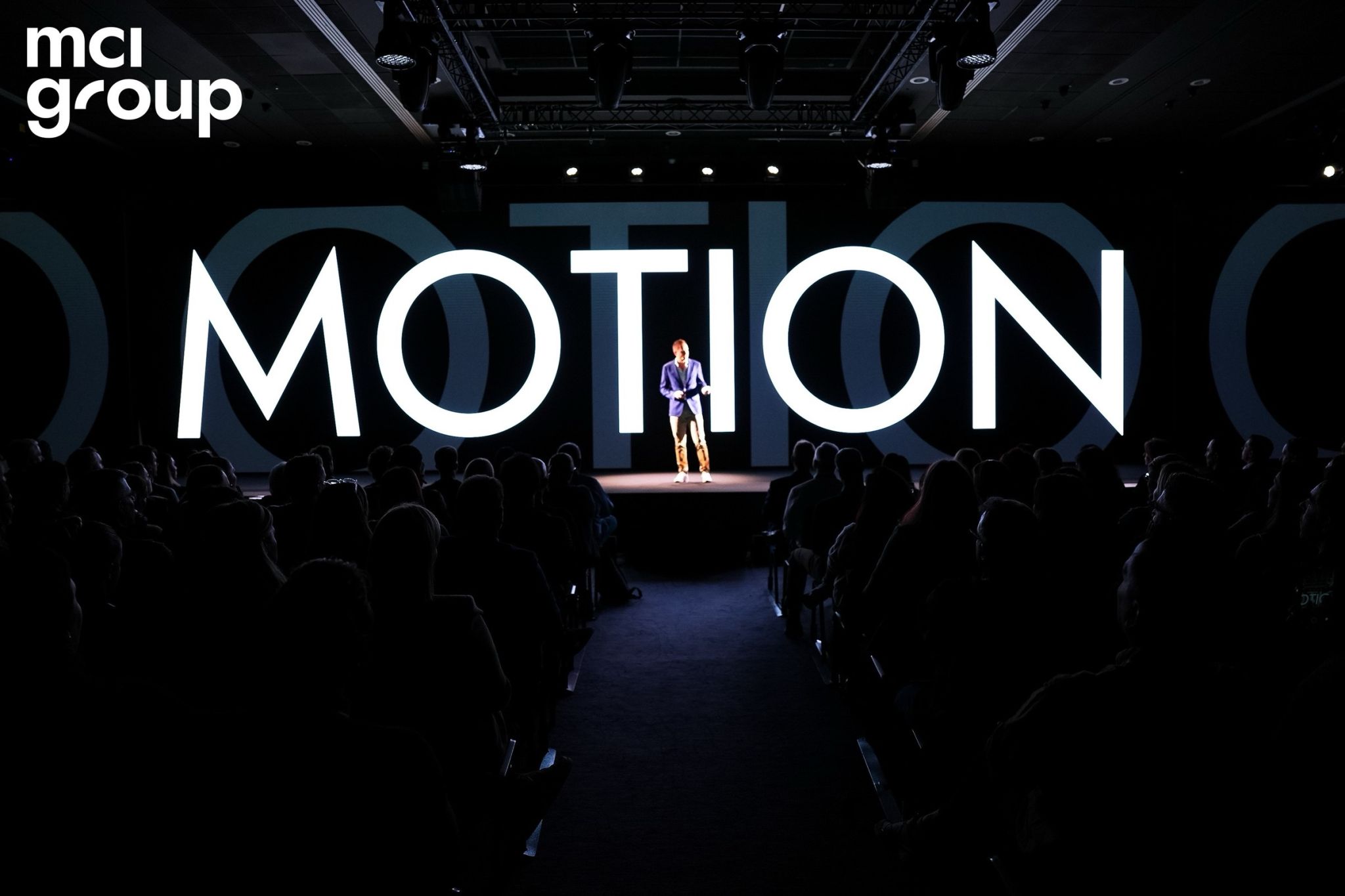
MCI's team wanted something different for the opening morning. Not another keynote that would wash over the room, but leaders actually practicing the thinking the Academy was asking of them - making decisions under ambiguity, distinguishing technical problems from adaptive ones. The brief: a keynote to set the frame, followed immediately by a workshop that put leaders into the pressure of real decision-making.
.jpeg)
A 20-minute keynote from Howard on how AI acceleration creates inflection points that reshape entire industries - not a tutorial on prompting or a prediction about timelines, but a frame: every industry faces its iPhone Moment, and the question isn't whether AI will matter but where you're placing your bets before it arrives. We built a custom live app so every leader could place their bets in the room.
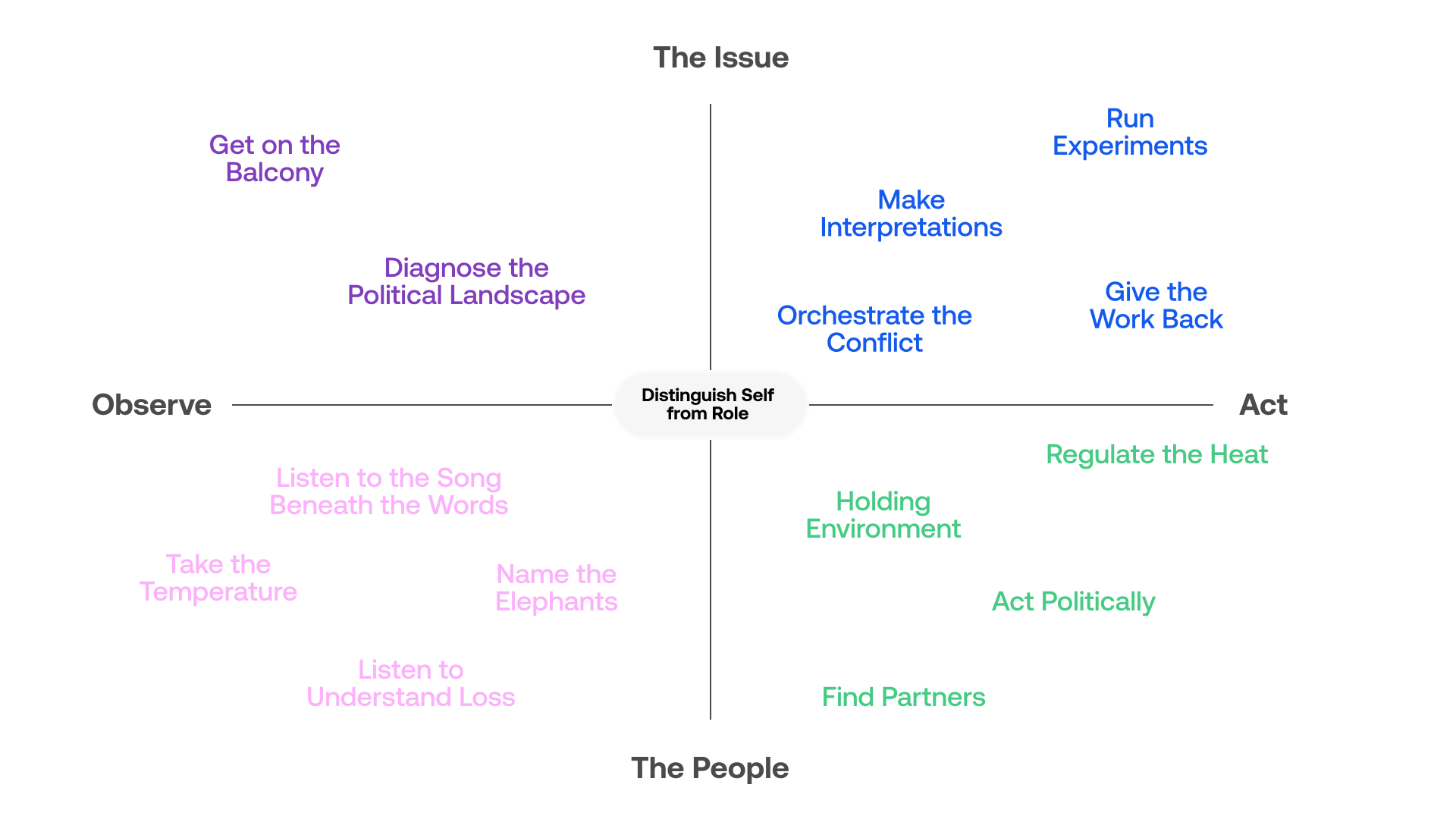
Then the shift from frame to practice. We introduced Adaptive Leadership - distinguishing technical problems (where expertise and existing knowledge apply) from adaptive challenges (where the problem sits in people's hearts and identities, not their skill gaps), with an Adaptive Leadership Toolkit mapped to a simple 2x2.
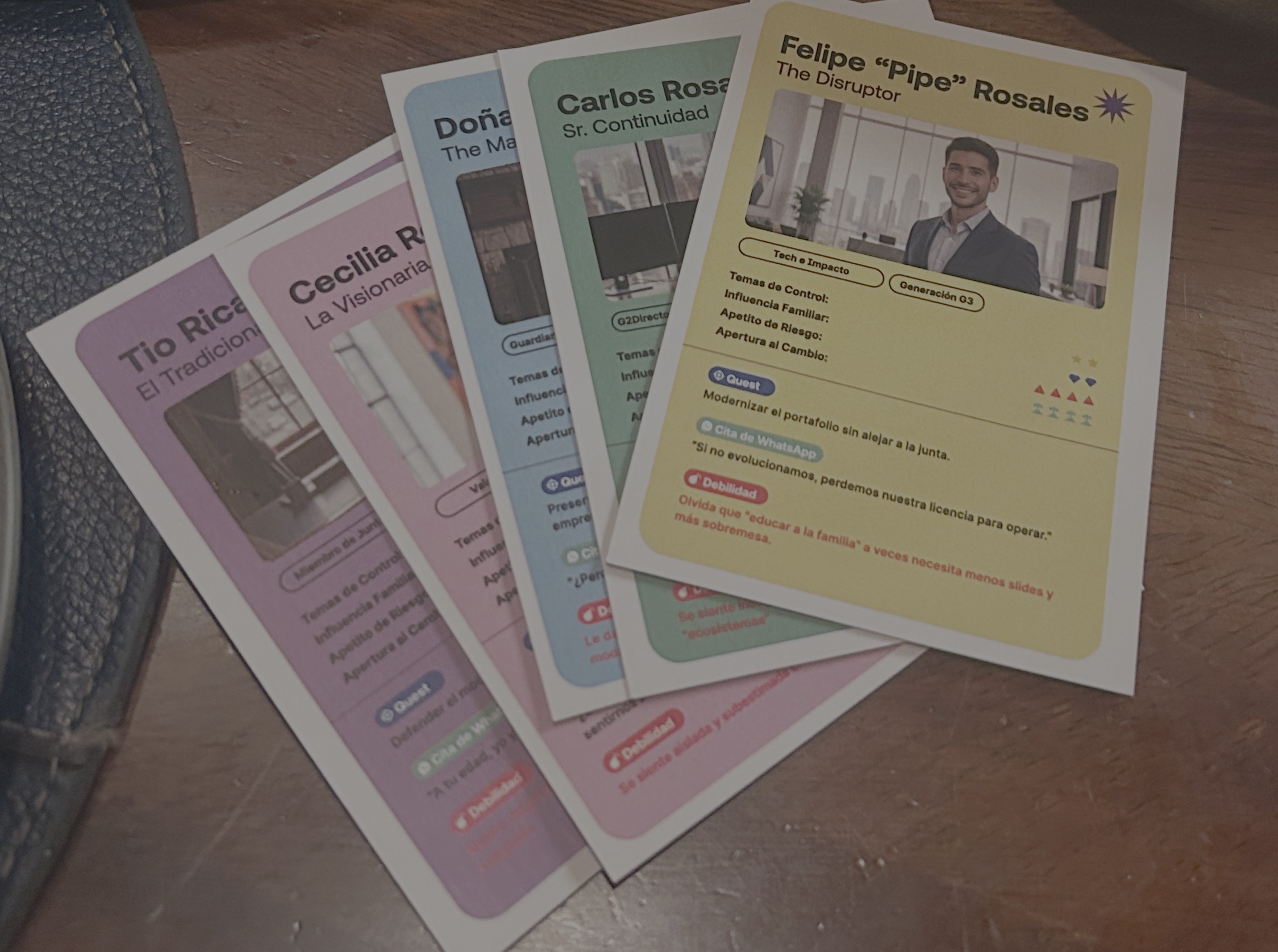
Then we dropped 350 leaders into the world of the Global Medical Association - a fictional but deeply researched scenario about a 50-year-old institution watching its younger members defect to a free Discord community run by a popular YouTuber. It came with four characters, each with their own logic:
Each character was a different interpretation of the same crisis. Together they surfaced the question no one wants to ask directly: is this a technology problem, or is it about who we are?
Sprint 1 gave tables one question - "Is this a tech problem or an adaptive problem?" The constraint forced real debate. No hedging, no "it's both." Pick a frame and defend it.
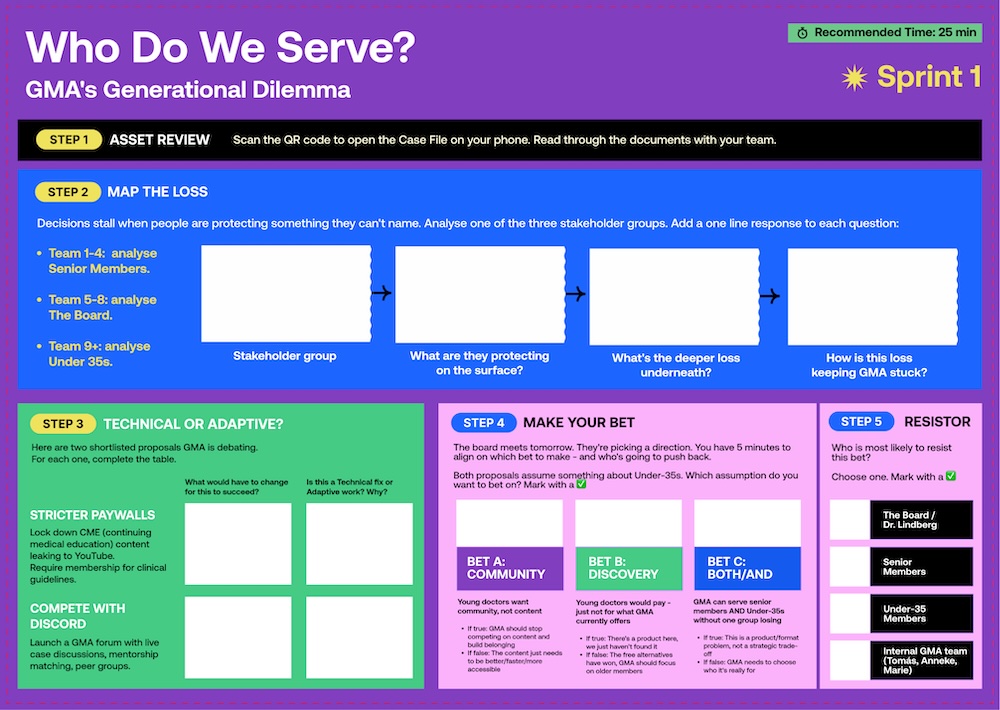
Sprint 2 - Experiment Design added a second constraint: "You have 1,000 euros and one week. You cannot build an app." That stripped away the comfort of big strategic plans and forced small, learnable action - what could you actually test, this week, to learn something real?
.jpeg)
By the end of the morning, 350 senior leaders had worked through the same decision-making framework, surfaced their assumptions, and practiced separating the problems they could solve with better tools from the ones that required something harder. The Academy's theme was "Forces in Motion"; the session made it tangible - not something to think about, but something to practice.
The Academy received a 91% recommendation rating - their highest ever. But the number that mattered more came later: in the weeks following, the CEO referenced the keynote framework repeatedly in senior leadership meetings. "Three Big Bets" and "the iPhone Moment" became shorthand - vocabulary the leadership team kept reaching for when navigating the forces reshaping their industry.
Opening a leadership forum and want the room practicing, not watching? Book a demo →