WassermanConferences & Events
An off-site for an experiential agency
A one-day team gathering featuring design-thinking workshops, creative exercises, and team-building inspired by Virgil Abloh's methodology. Worth the two-year wait.
The challenge
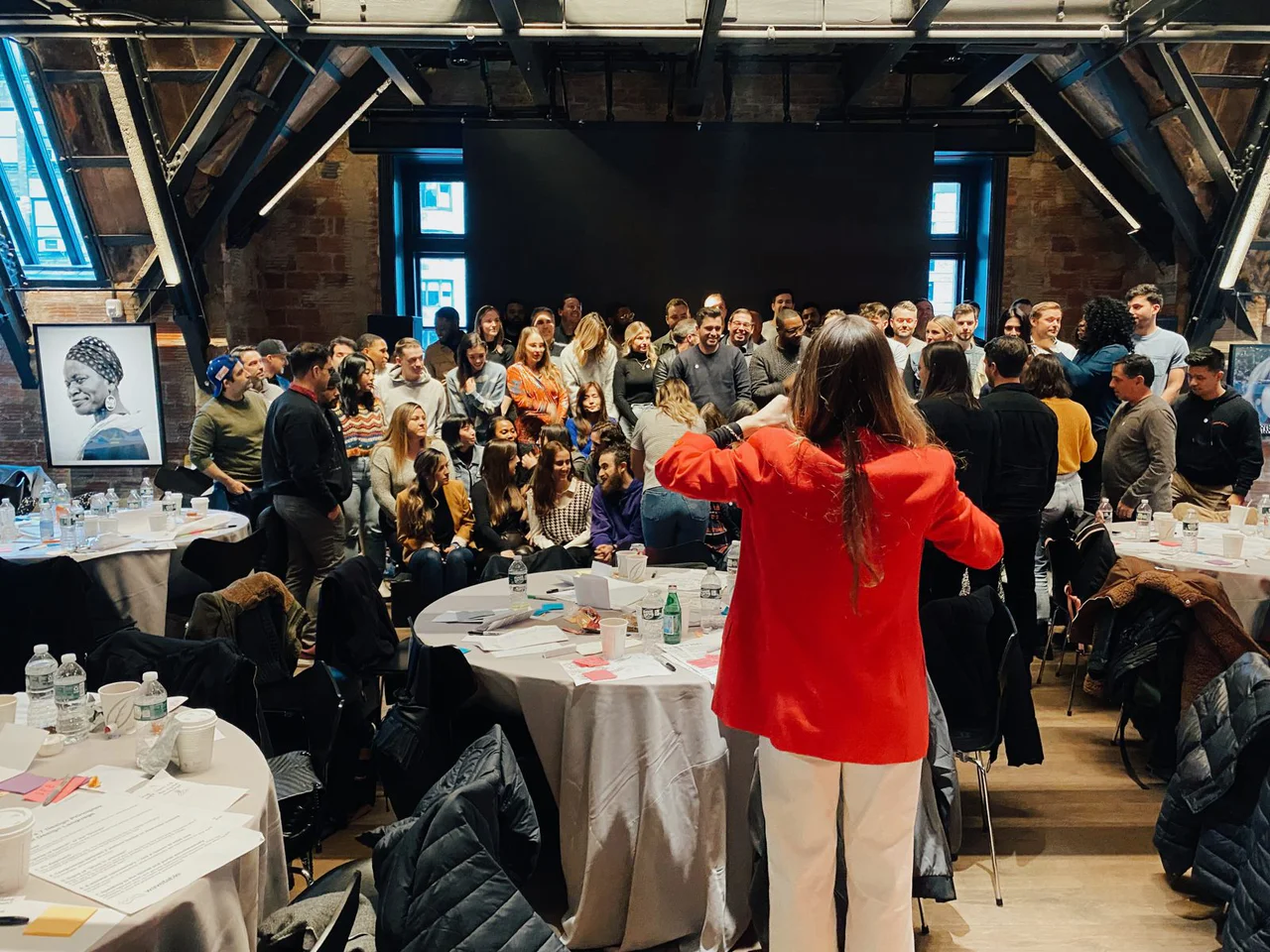
In December 2021, Wasserman's experiential marketing division hadn't met in person for two years. In that time the team grew by more than 30%, so many of its 75 people had never worked together outside Zoom.
A group of Wasserman's leaders asked us for an off-site that would teach something, spark fresh thinking, and feel nothing like a mandatory company event. It had to:
- work for 75 people, many of them meeting for the first time
- create real moments of growth in a few hours
- be ready in two weeks
Why it was hard
People had become more protective of their time and attention, and off-sites have a reputation for being dull and doing little for the people sent to them. After two years apart there was also pressure to perform in front of every colleague at once.
So the day had to help people relax into being creative, fast, and give each of them a stake in what came out of it.
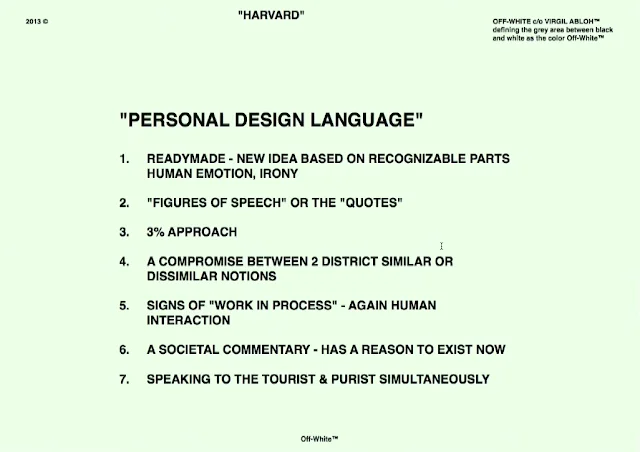
For a thread, we borrowed the seven design principles of the late Virgil Abloh, founder of Off-White. Abloh asked whether a piece of work has "a reason to exist now." We asked the same of the day.
What we built
The venue
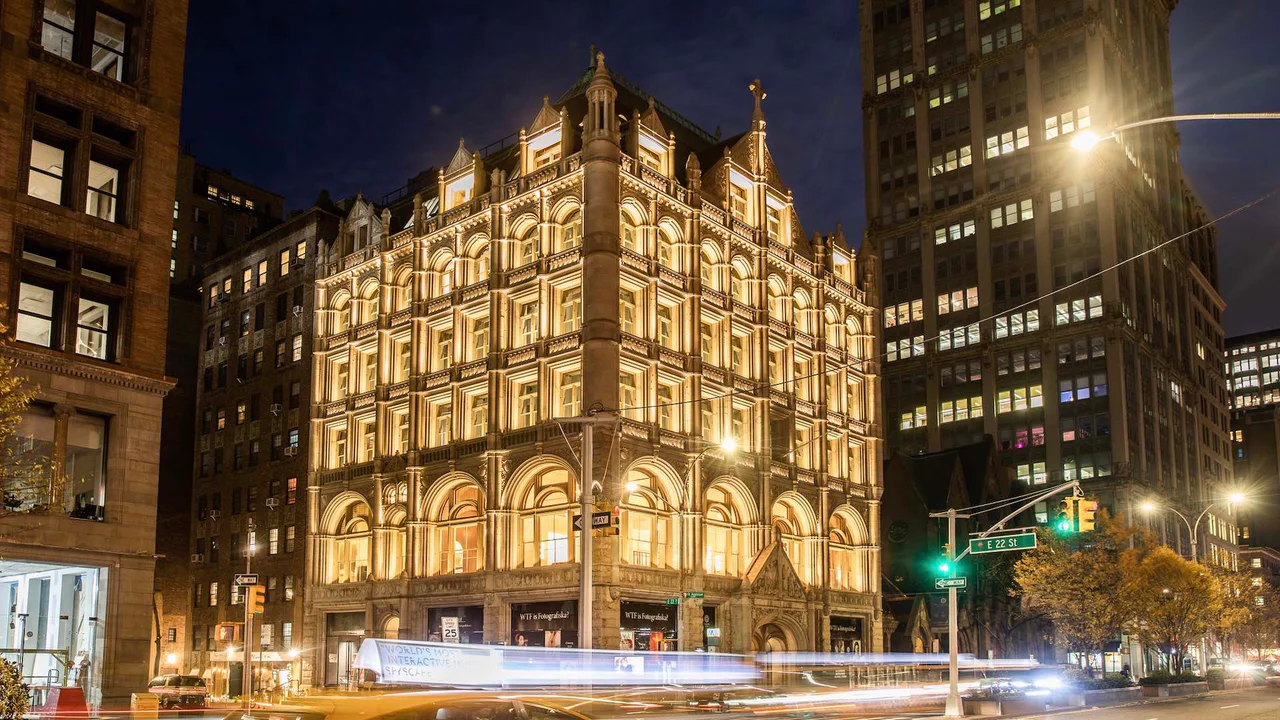
A team coming back from two years of remote work needed a room that felt bigger than the occasion. Of the New York venues on Wasserman's list, Fotografiska won as soon as we walked in: the photography museum's American flagship, in the historic Church Missions House, which had shown Warhol, Hassan Hajjaj and Gucci before Wasserman arrived.
How it ran
The day at Fotografiska
- Morning: Phase ISpotting trends, mapping hype cycles, asking quickfire questions
- A solo tourFotografiska's Andy Warhol exhibition, alone
- LunchA break before the main event
- Afternoon: Phase IIA brief set in 2041, and 32 ideas
- The pitchOne pitch in 90 minutes, led by people who don't usually pitch
Phase I: common ground
Abloh's fifth principle is to show signs of "work in process" and leave the editing for later. The morning put that into practice, with the people in the room as the material and as few icebreakers as possible.
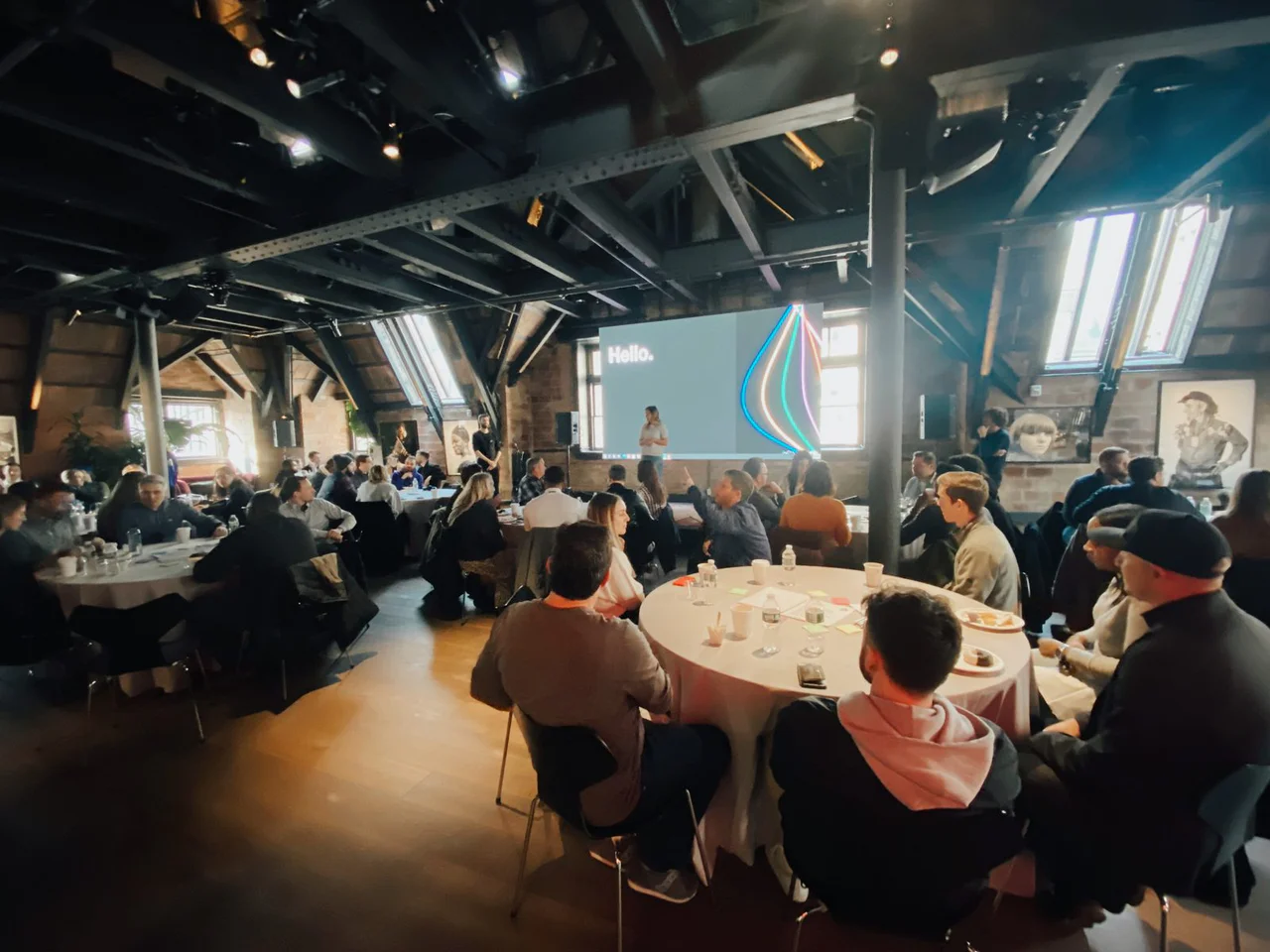
In the morning, the team:
- spotted trends in themselves, their team and the wider world
- mapped hype cycles, the life of a trend from first idea to mass adoption
- practiced asking quick, curious questions about life and culture
- toured Fotografiska's Andy Warhol exhibition alone, then looked at how their own interests could feed their work
Phase II: the 2041 brief
After lunch, the main event. Wasserman was keen to work with a travel client, so we wrote a make-believe brief:
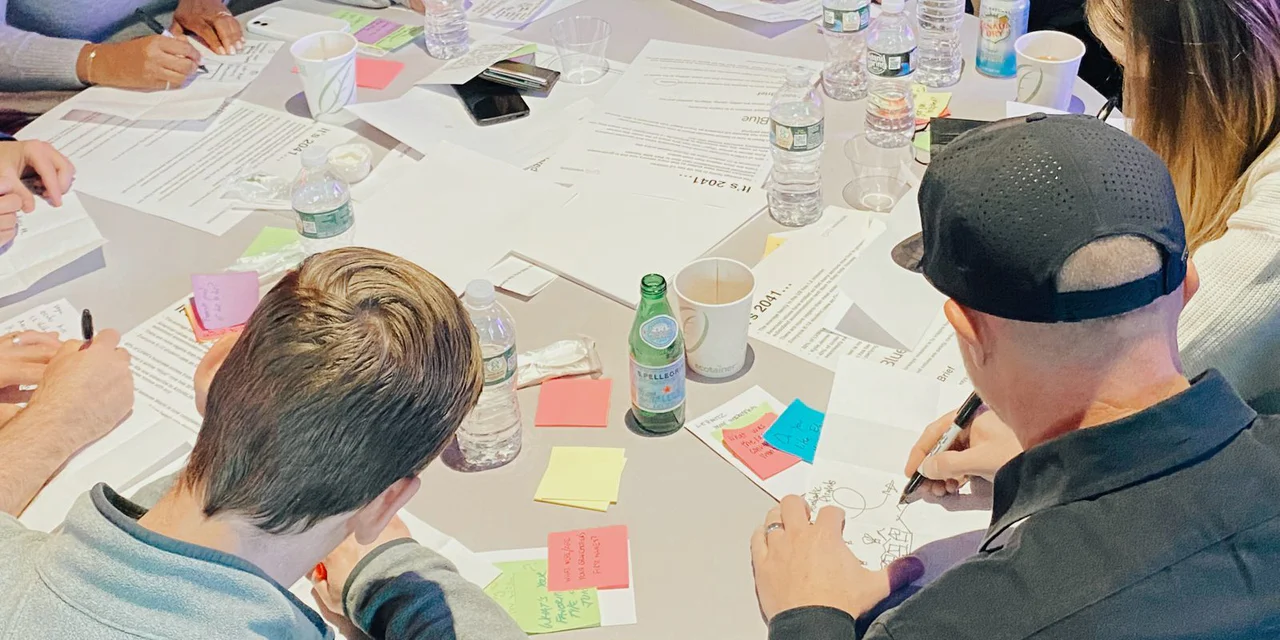
The year is 2041. Family vacations are cool (and socially feasible) again, but harder to plan and execute than ever. The internet has made it easy to find any number of destinations, itineraries and activities, and for the very same reason it's harder to narrow in on the right plans for your family. As one team, draft a brief that opens up the future of family travel: why they're great, what they're for, and how they're attainable.
The rules: come up with 32 distinct ideas, use Phase I and Abloh's principles to distill them into one pitch, and give the lead roles to people who don't usually pitch.
What shifted
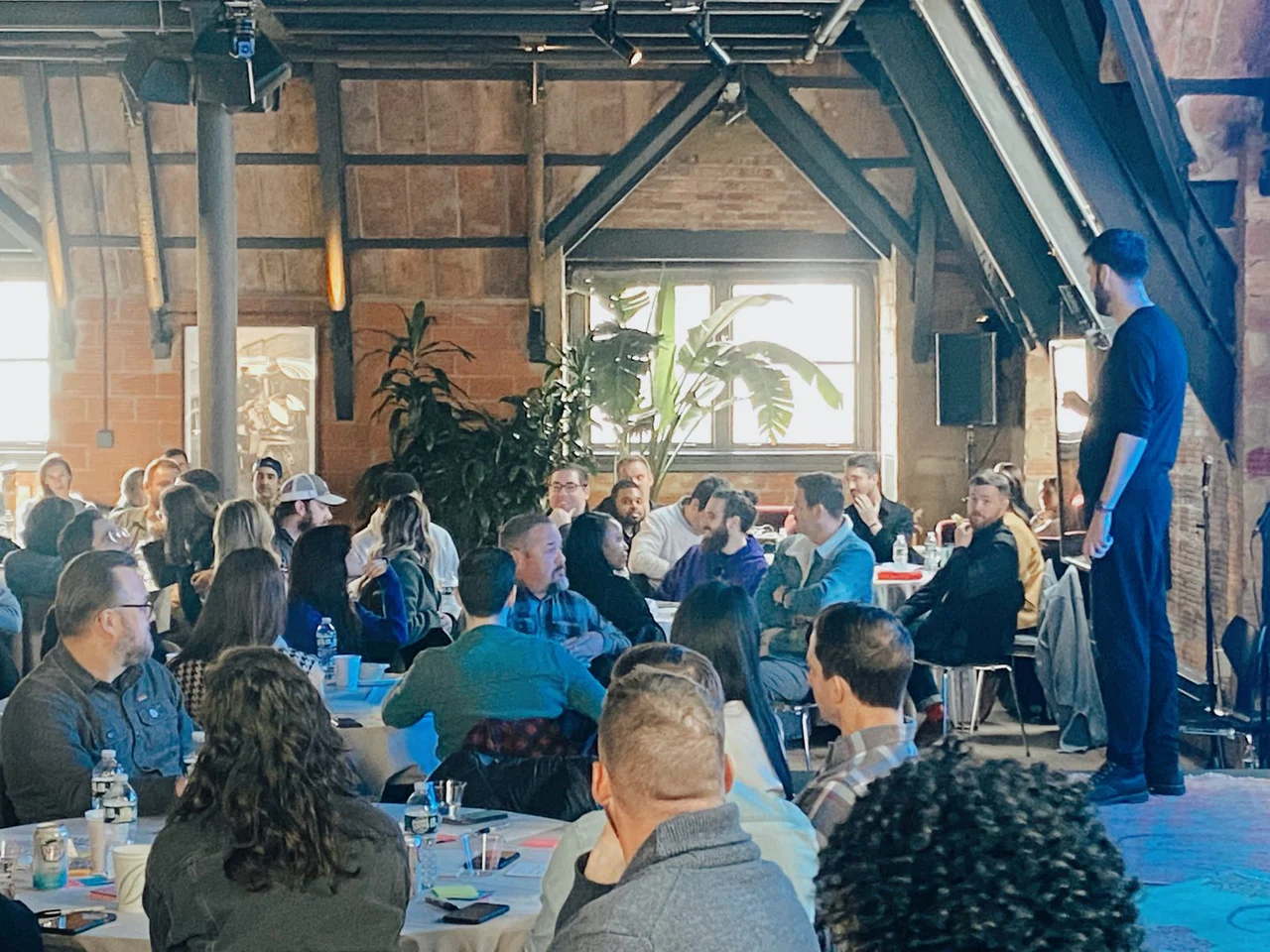
Ninety minutes later they pitched to us and their leads. The pitch mattered less than how they built it: picking up each other's ideas, arguing over Abloh's words, and finding new angles on something as familiar as a family spending time together.
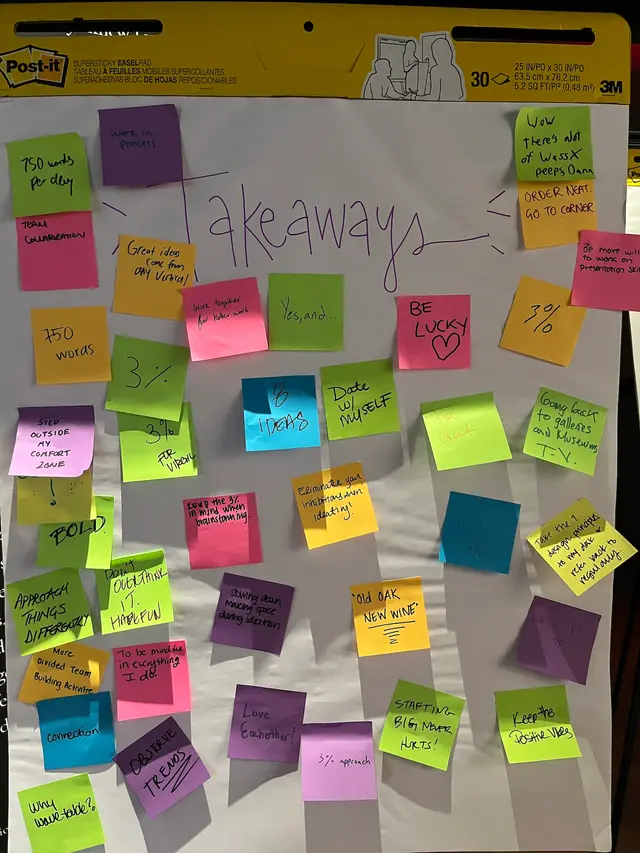
The day wasn't about their jobs, yet people saw each other's strengths at work, made something with colleagues for its own sake, and left with ideas they could take back to clients.
“The best work-sponsored training I’ve been a part of. Absolutely excellent.”
“I’m blown away. This was so much fun and I loved the way it made me think & helped me grow as a creative.”
“Everything was super interesting and inspirational.”
“Very inspiring and helped me think outside the box.”
What we took away
- Teams that make good ideas together away from work are more likely to do it at work.
- People take on a challenge when everyone gets something out of it.
- Abloh's 3% approach works for marketing briefs as well as streetwear.
Sources: Virgil's design principles and Harvard lecture · More on Virgil's 3% rule · Fotografiska · Gartner hype cycles
Planning an off-site that has to be more than a good few days? Book a 20-minute call →
More case studies
XP Conference
Eight workshops for the MENA music industry
Eight workshops spanning copyright law to crowd safety, gender parity to nighttime economies, designed for the MENA music industry's fastest-growing conference across four continents.
IBTM World / RX Global
A leadership workshop for event industry executives
Six hours that hired 30 senior event executives into a company from 2032 and asked them to design its flagship experience. For several, the first time in years they'd designed without budget or politics in the way.
mci group
A keynote and workshop for a global leadership academy
A keynote and a workshop for 350 leaders facing calls with no clear answer. The CEO kept using the keynote's language for weeks.