EYPrograms & Workshops
A CX Program for global innovation teams
EY's global innovation teams knew CX theory and had nowhere to practice it under pressure. We built the practice, then moved it onto Rondo.
+65NPS
Forty seconds to respond. The client on the voice note is unhappy, won't quite say why, and senior enough that the wrong reply costs the account. The host plays it once more. Around the room, senior EY professionals, people who advise on exactly this for a living, go quiet.
The challenge
EY wavespace teams were already strong on CX. The aim wasn't to fill a gap. It was to turn solid skills into a strategic edge: surer-footed in the big set-piece moments and the small ones alike, and able to connect a creative choice to a business outcome under real client pressure. The hard part is getting senior, capable people to keep practicing skills they've already got, and find the next level.
CX is not a skill, and that makes it hard to practice
- It's a web of skillsMany abilities, used in moving situations. You can't take one out and drill it alone.
- There are few chances to practiceThe more senior people get, the bigger the moments and the less room there is to get one wrong.
- Mastery comes from repetitionYou can't rehearse a whole client experience. You can repeat its fundamentals.
What we built
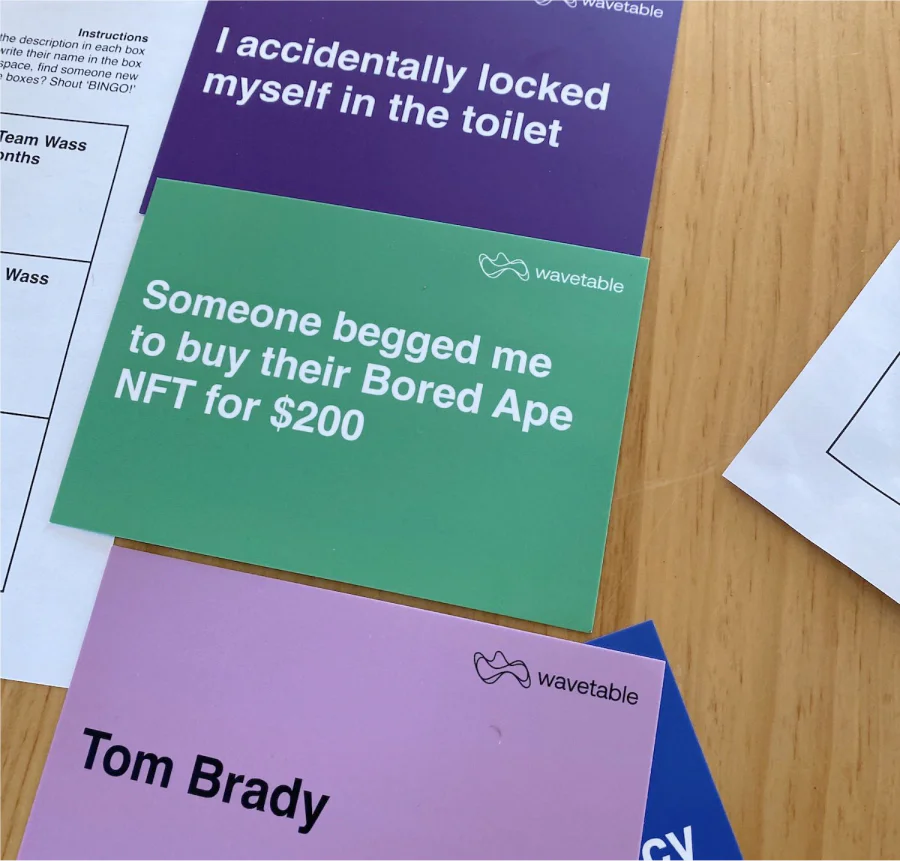
A four-module Program where 75% of every session was hands-on: scenarios built like escape rooms for the mind, timed drills with live feedback, frameworks handed over as tools to use, not theory to absorb.
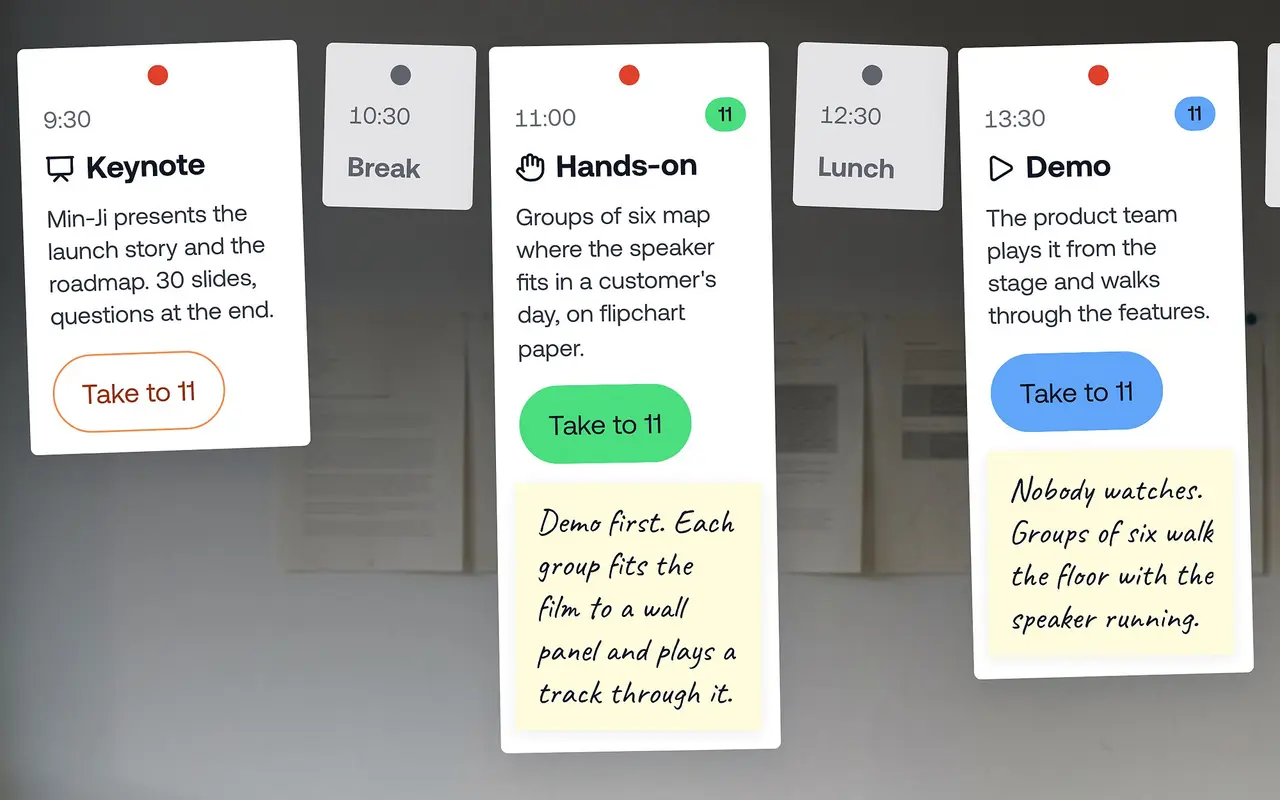
Two that stuck: Dial It to 11 (push a safe idea until it's genuinely memorable, then find where bold tips into too much) and Pitch Lab, the final scenario, built to call back every framework from earlier modules under one live brief.
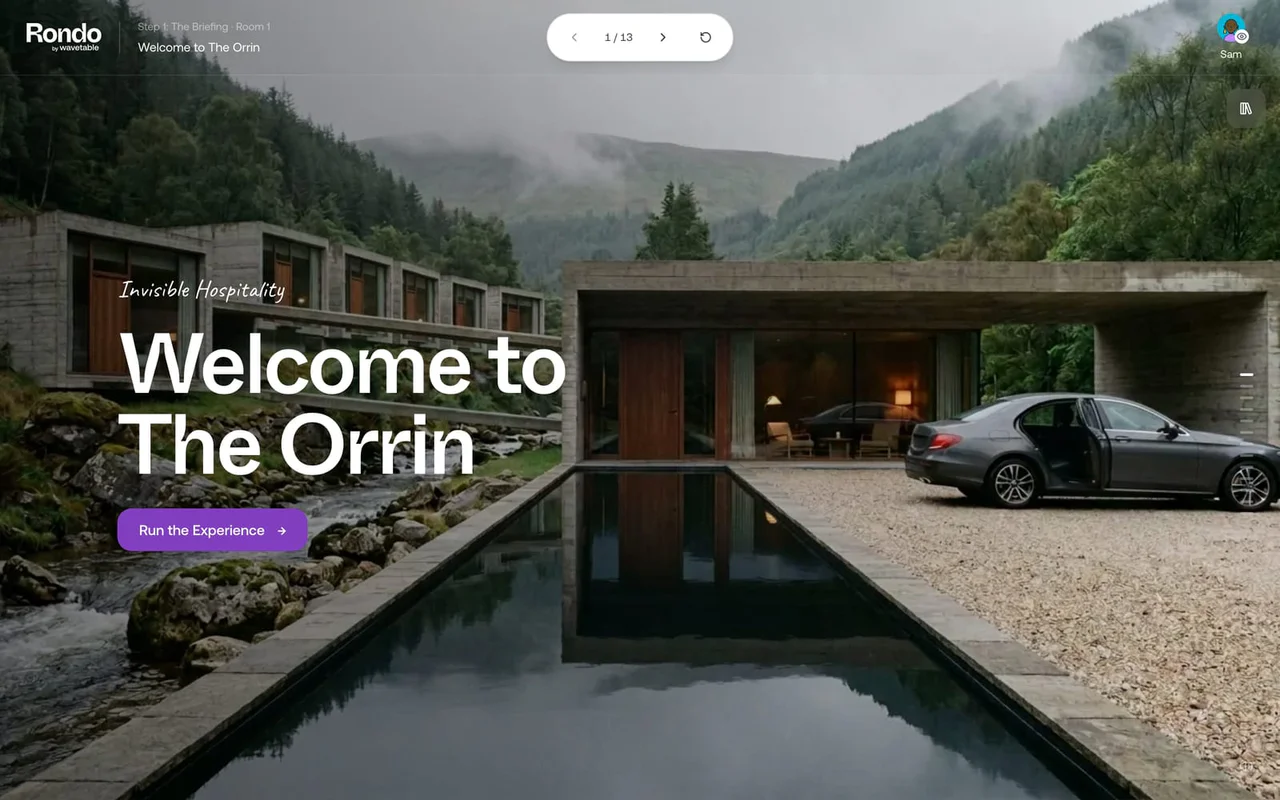
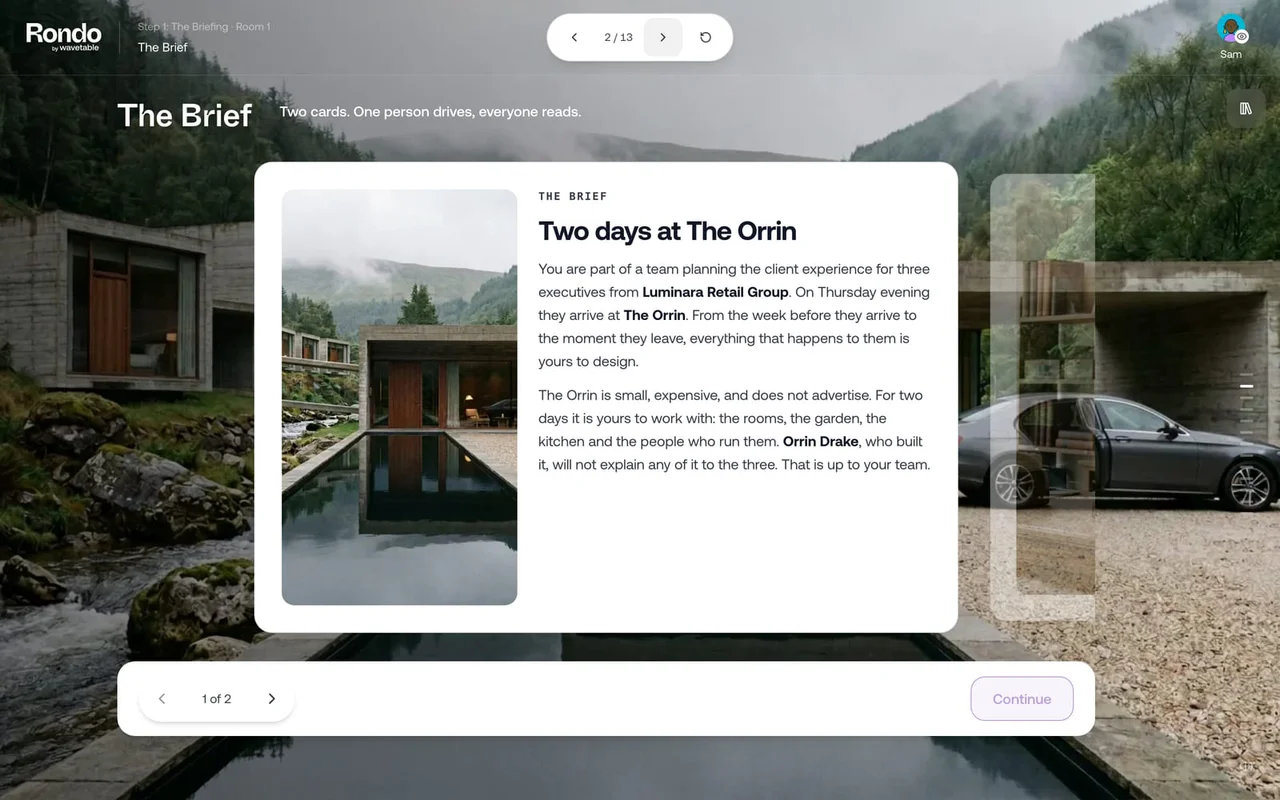
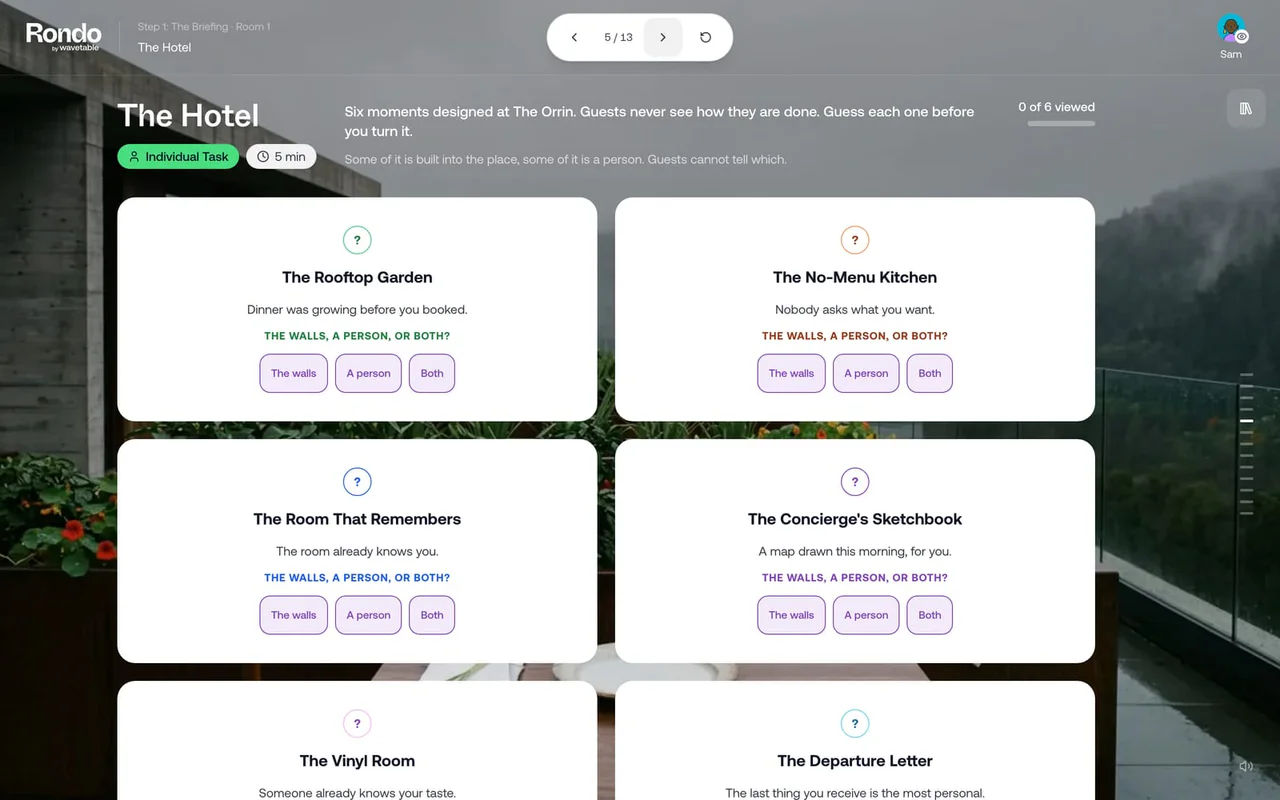
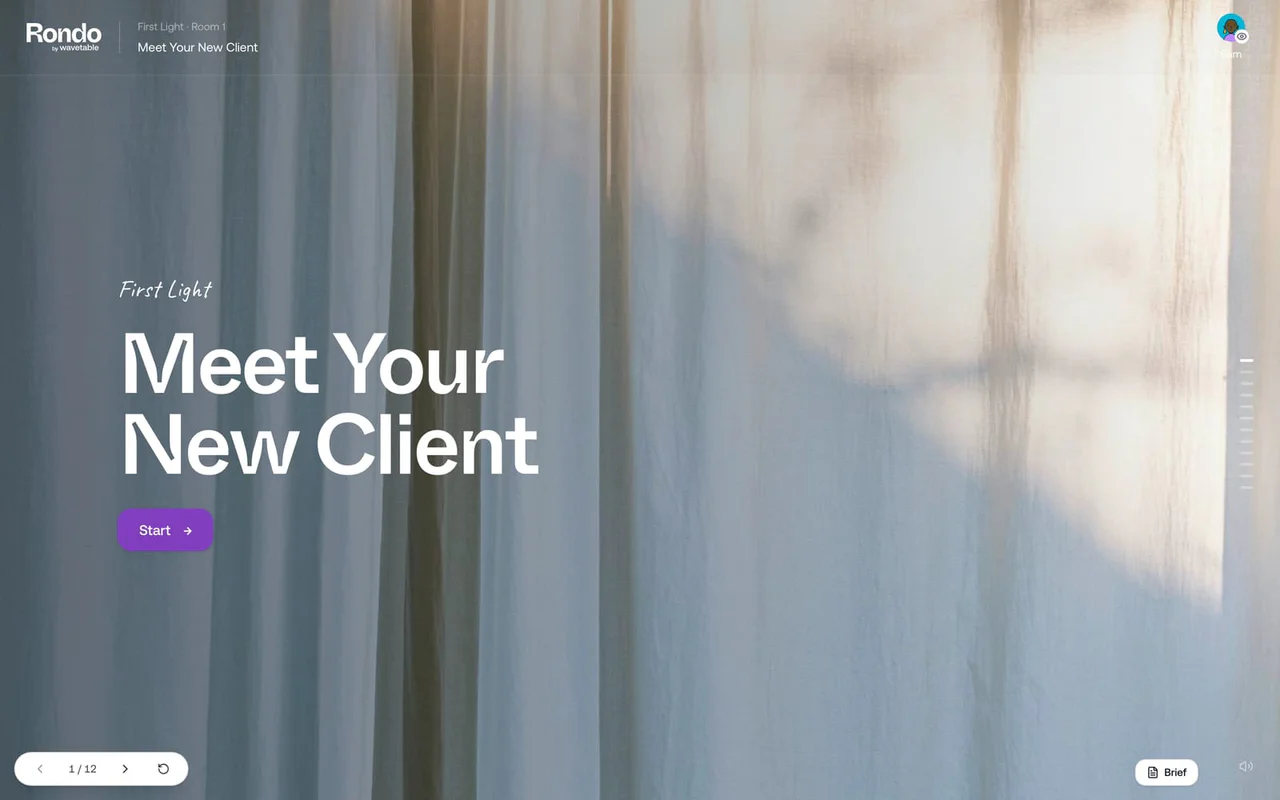
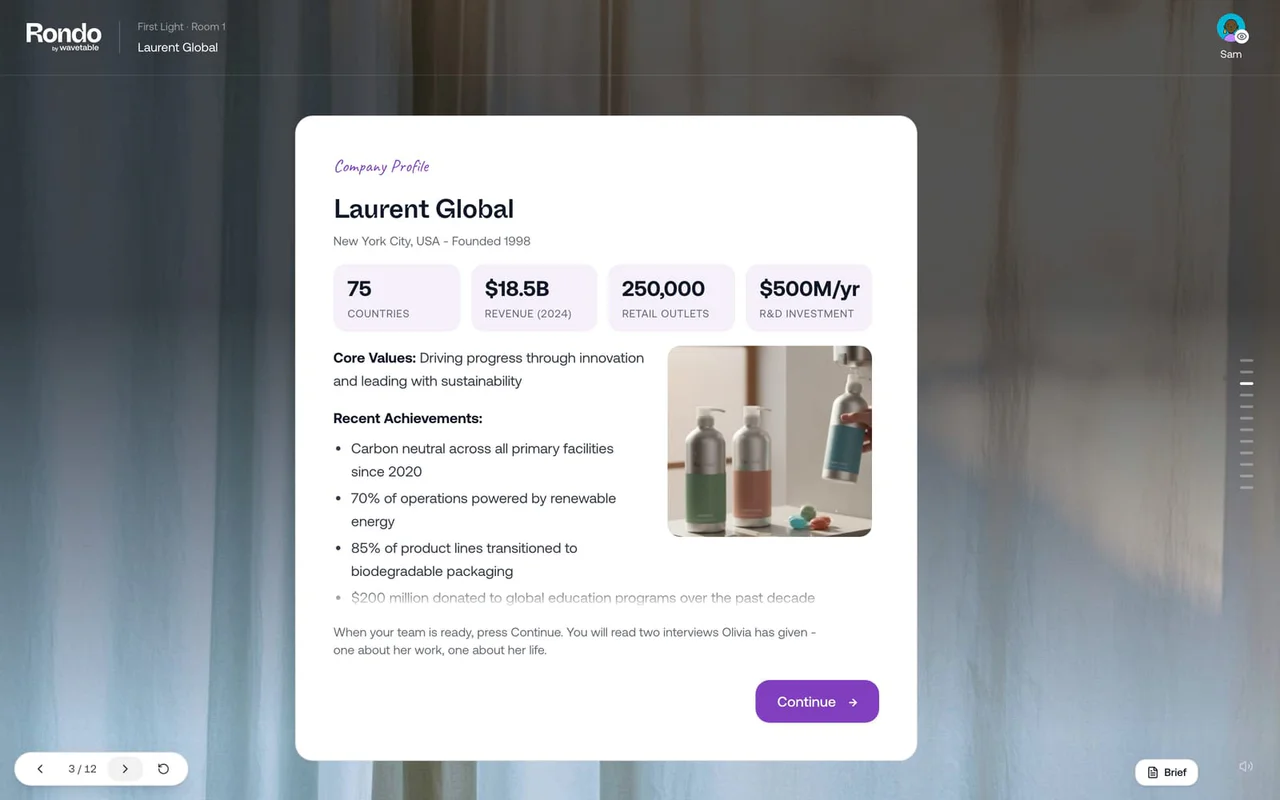
The Four Modules
- Module 1Understanding HumansSocial Styles to adapt to a stakeholder, the 5 Whys to hear what a client isn't saying.
- Module 2CX FundamentalsThe six phases of an experience, drawn as much from hospitality as from theory.
- Module 3CX in ActionSubtlety and spectacle, MAYA (most advanced yet acceptable) and format innovation.
- Module 4Above & BeyondStory and immersion: the seven story types, and levels of immersion from sensory to ontological.
Inside a module
Each module is a live session of two and a half hours on Zoom, two a week, with two Wavetable hosts and Rondo open alongside. Take the second module.
Module 2 · two and a half hours on Zoom
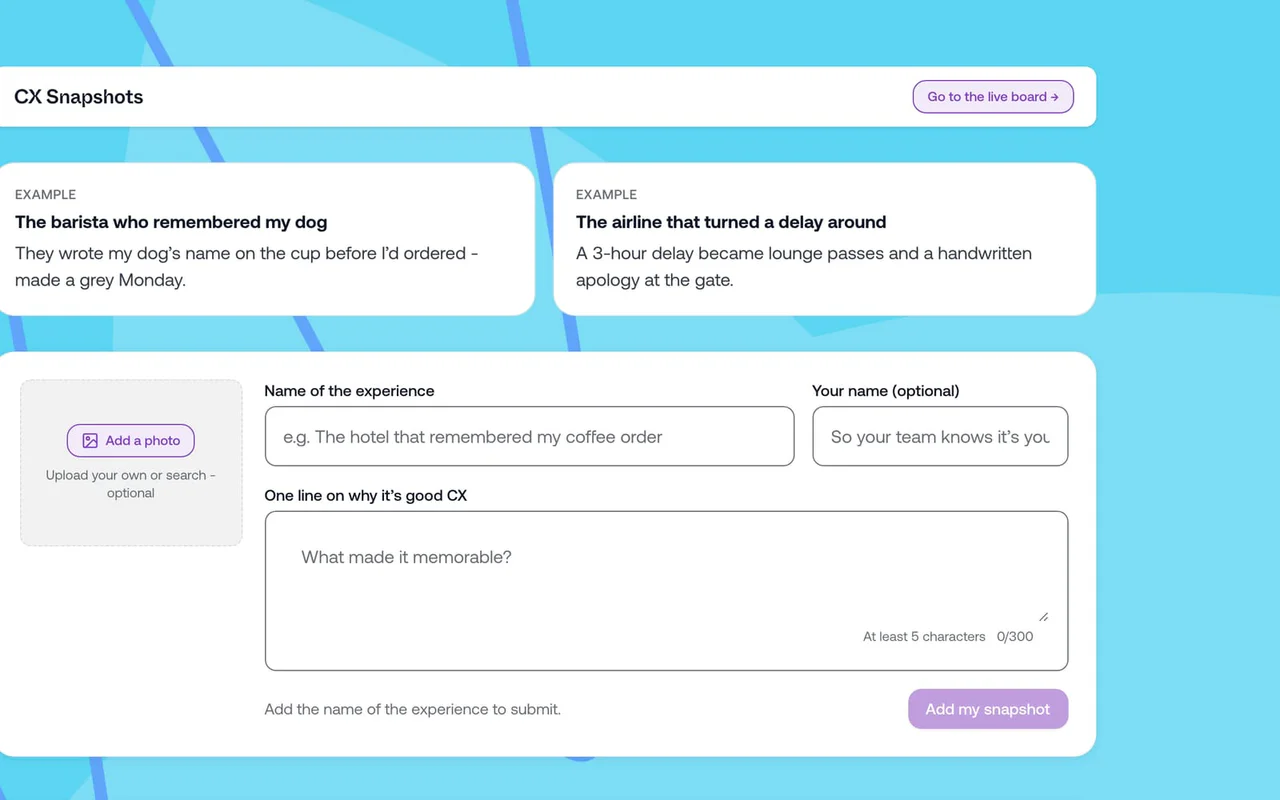
- BeforeEveryone adds a CX Snapshot
- The galleryEvery snapshot on screen, two minutes each in breakout rooms
- DrillsEach team on its own board in Rondo, through the six phases
- DebriefEvery team's board side by side in the main room
- The scenarioA client, documents and a deadline, the best part of an hour
- In pairsWhat each person takes into their own work
It starts before anyone joins. Everyone adds a CX Snapshot: one time a brand went above and beyond for them, a name, a line on why it stuck, a picture if they have one. In the session, the hosts put the whole cohort's gallery on screen, and teams take two minutes each to share theirs in breakout rooms.
Then the drills. Each team works on its own board in Rondo, working through the six phases of an experience. When the time is up, the hosts bring every team's work back to the main room side by side, so the debrief starts from what the teams actually made, not from whoever speaks first.
The module closes on a scenario: a full situation with a client, its documents and a deadline, played as a team for the best part of an hour. Then a few minutes in pairs on what each person will take into their own work. Teams change between modules, so by the end most people have worked with most of the cohort.
From shared boards to our own platform
Cohorts 1 to 4 ran on shared whiteboards. For cohorts 5 and 6, every drill and scenario moved into Rondo, where every drill is built for the job instead of adapted from a template.
Shared whiteboards
- 1
- 2
- 3
- 4
Rondo
- 5
- 6
Rondo keeps what each team wrote, chose and ranked, and how far each person got. Nothing is recorded on audio or video. Participants see their own answers and their team's; hosts see the sessions they run. After each module, its drills go into the participants' library, so they can play them again when a real client moment comes up.
What shifted
Cohorts 3 and 4 rated it 8.86 out of 10, with an NPS of +65. But the fastest signal was how quickly it reached real work. One participant, mid-Program:
"I have already used The 6 elements of CX to justify the thinking behind a massive client deliverable."
And the value people named most often was each other. From the cohorts' own quote board:
“One highlight was connecting with global peers, learning from each other and collaborating, we should do this more often.”
“The first training in my 9 years here that's truly relevant to my role. I've enjoyed it so much!”
“So valuable thinking more about those memorability, reflection, and meaning-making phases of an experience.”
“New Wine, Old Oak is very applicable to wavespace.”
What's next
It didn't end with the last session. The Alumni Community meets for an hour every month, open to all six cohorts, with alumni joining from London, Tokyo, Hong Kong, Mexico City, Mumbai and beyond. More cohorts are planned.
Rolling out a Program across a global network and need it to outlast the launch? Book a 20-minute call →
Try something like it
The Front Desk
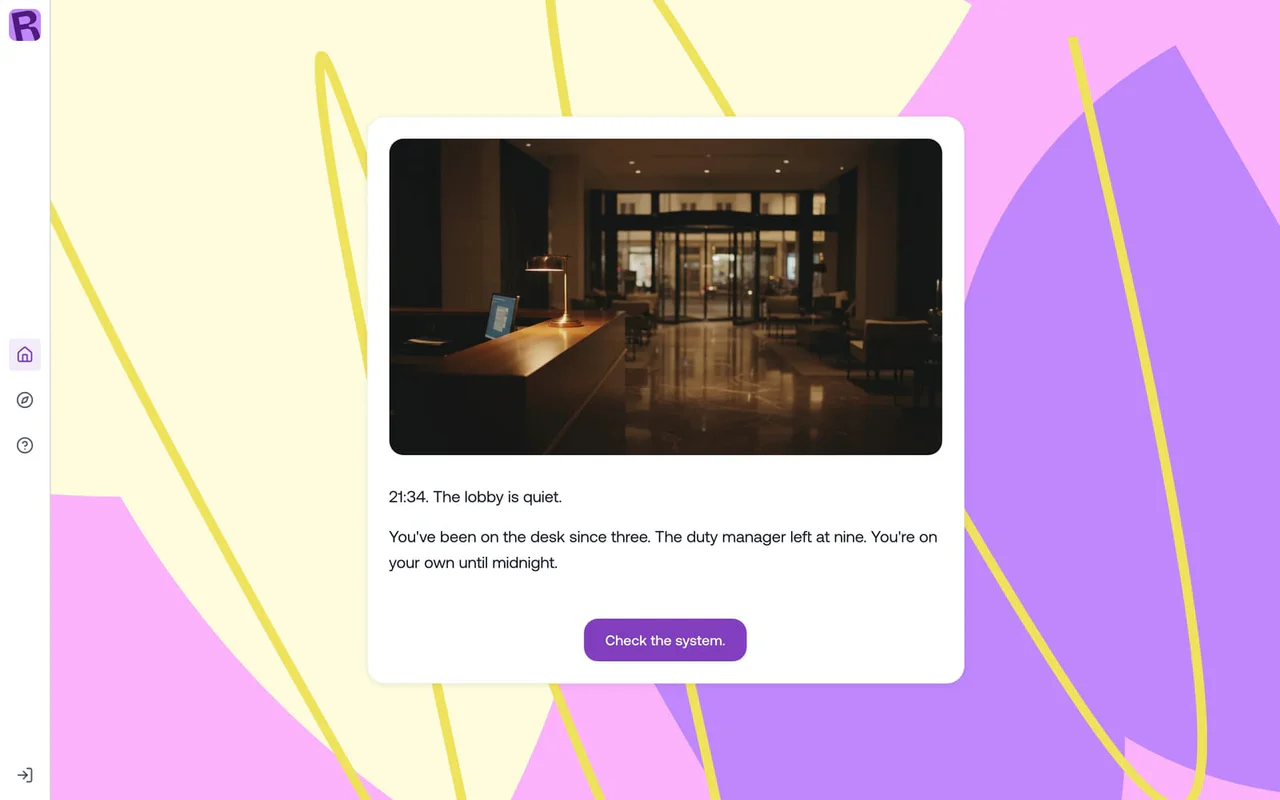
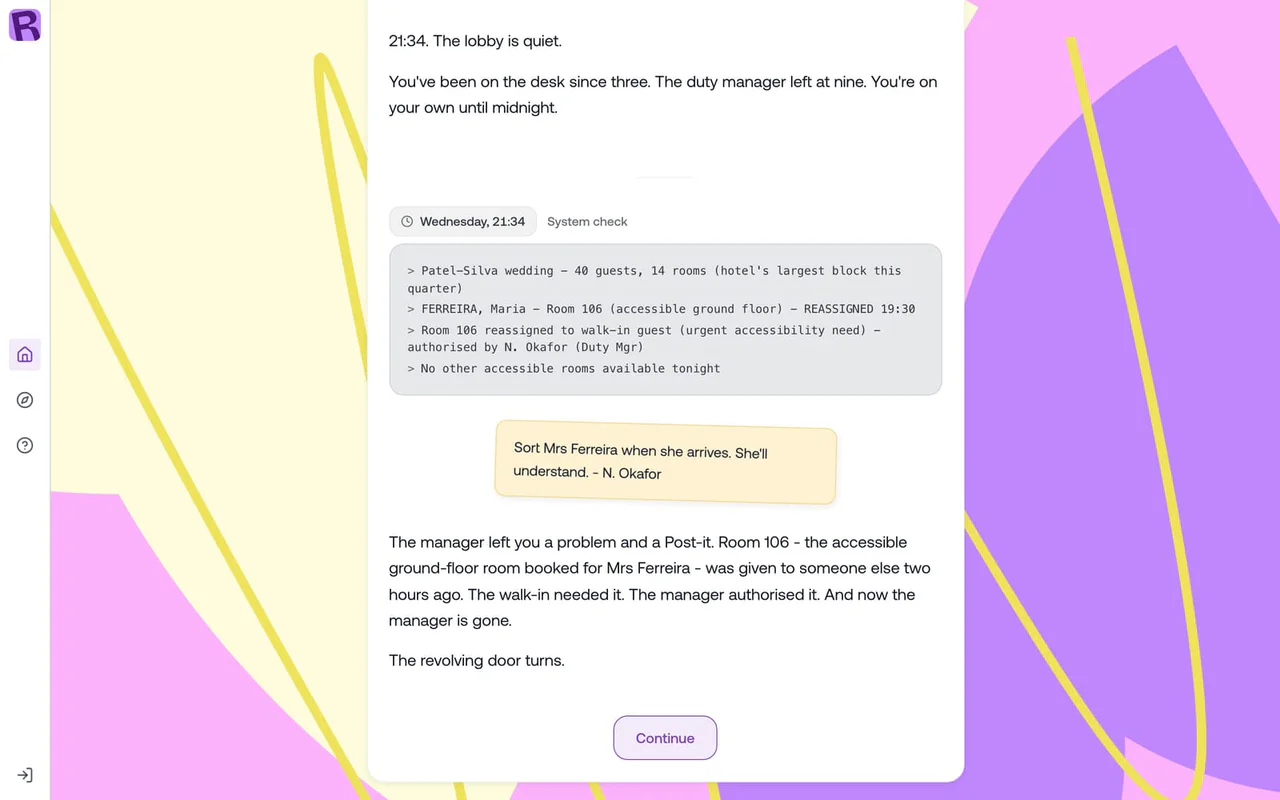
Customer ExperienceA guest has a problem, and there's no script for it. Two decisions, neither with a right answer.
PlayMore case studies
Wasserman
Getting creatives, producers and strategists on the same page
A workshop series for the moment creatives, producers and strategists disagree on a live project.
DIG
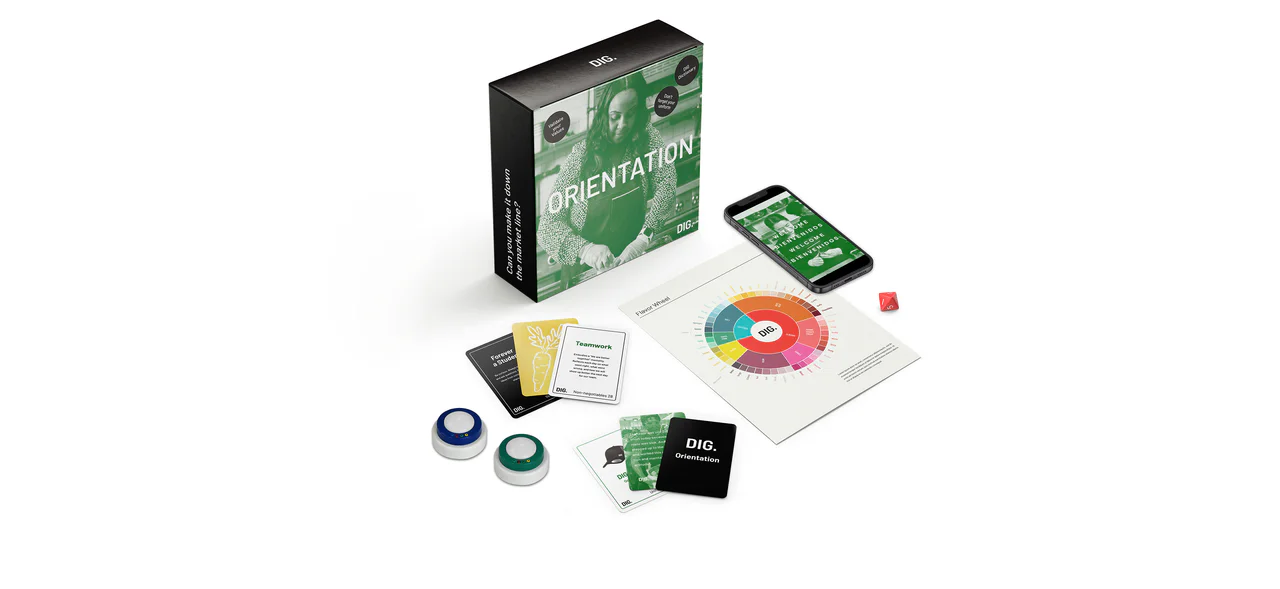
A first-day orientation rebuilt from 1 video and 2 activities into 5 games and 13 videos
The build half of our work with DIG. In four months we turned the first day for new chefs into a session of games and original video, made six games for a Sous Chef Program, chose a new learning platform and filmed the winter menu.
Publicis Groupe
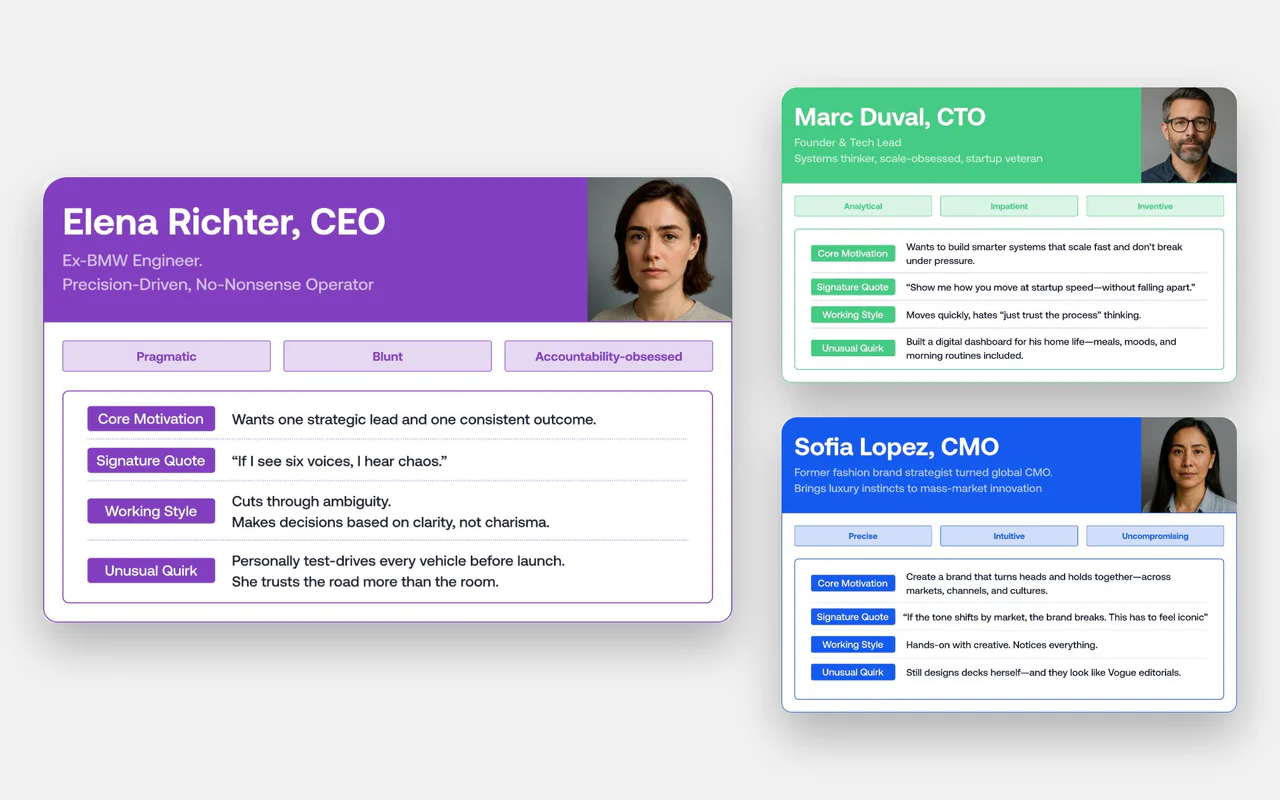
Two hours inside a client launch going wrong, for three cohorts of agency leaders
Agency leaders spent two hours inside a made-up EV launch going wrong: voice notes from its C-suite, a plan to build against the clock, and a client who might walk.