Why training doesn't change behavior - and 30 interactive formats we built to fix it.
If learning doesn't change what people do, did it really happen? We keep running into this question. A workshop lands well. The quiz scores look good. And then... nothing shifts.
A solution may lie in the formats underneath.
Roediger and Karpicke's work on retrieval practice shows that producing answers - not reviewing them - is what builds durable memory. Reading something, you'll remember about 10% a week later. Being forced to recall it, apply it, argue about it - that number jumps dramatically.
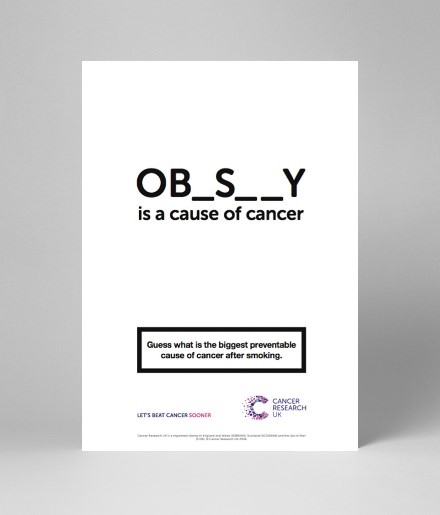
Slamecka and Graf called this the generation effect: we remember what we create, not what we consume. There's something different about dragging a card into a column versus reading where it should go. In their study, subjects who saw "relaxed and cal_" remembered 15% better than those who saw "relaxed and calm." The cognitive effort of filling in the blank made the information stickier. Same principle, different domain: the format shapes the thinking.
Morris and colleagues found that memory works best when practice matches performance - something called transfer-appropriate processing. If the skill is "have a difficult conversation," the practice should be having one. Not reading tips about having one. Not watching a video of someone else having one.
And then there's desirable difficulty (we love that term)- conditions that make learning harder in the moment but better in the long run. Time pressure. Limited resources. Forced choices. It turns out the struggle is productive.
Easy practice, it seems, doesn't stick.
Game designers have known this for decades. Meaningful choices with visible consequences are what create learning moments. Not information delivery. Not even "engaging content."
Our LX design lead Fer Franco codified Meaningful Choices and Visible Consequences as Principles 2 and 3 in our internal Narrative Design playbook - and it changed how we think about building these experiences.
Most learning design starts with: "What do they need to know?". It's an easy trap to fall into - and one we've found ourselves in before.
We've since found a better question: "What decision do you want them to practice making?"
Once you have that, the format tends to follow. Prioritisation problem? Forced rank. Difficult conversation? Dialogue tree. Resource allocation? Budget cards.
The content is still there - but it's wrapped in a decision, not delivered as information.
Of course, there can be many format options that map to a decision - which is where the fun starts.
A few examples of what shifting the format can achieve:
- Forced Rank creates scarcity. When you can't say "everything's important," you have to actually decide. That friction is where learning happens.
- Blind Bid removes groupthink. You commit before you see what others chose - testing your judgment, not conforming to the room.
- Dialogue Tree is transfer-appropriate processing. You practice the conversation in the mode you'll actually perform it.
- Time Pressure (Quick Fire, Escalation Timer) adds desirable difficulty. Struggle improves retention.
- 2x2 Grid forces trade-off thinking. You can't put everything in the top-right quadrant. Where you place the marker reveals your assumptions - to yourself as much as anyone else.
Say you're running a session on investment prioritization. Instead of explaining the principles, you drop people into the decision.
- The setup: "You have €50k to invest across three initiatives. Each has a different risk/reward profile. You have 60 seconds."
- The mechanic: Everyone submits privately. No discussion. No peeking at neighbors. Just their gut judgment, committed before groupthink can kick in.
- The reveal: All bids appear on screen at once. Someone went conservative - €40k on the safe bet. Someone else went aggressive - all-in on the high-risk option. A third person hedged across all three.
- The conversation: "Why did you put everything on Initiative B?"; "What did you assume about the timeline?"; "What information would have changed your allocation?"
The differences in reasoning are where the learning lives. There's no right answer, and no lecture needed. The debrief writes itself.
Our Rondo platform has over 30 interactive formats. Each one triggers a different kind of thinking.
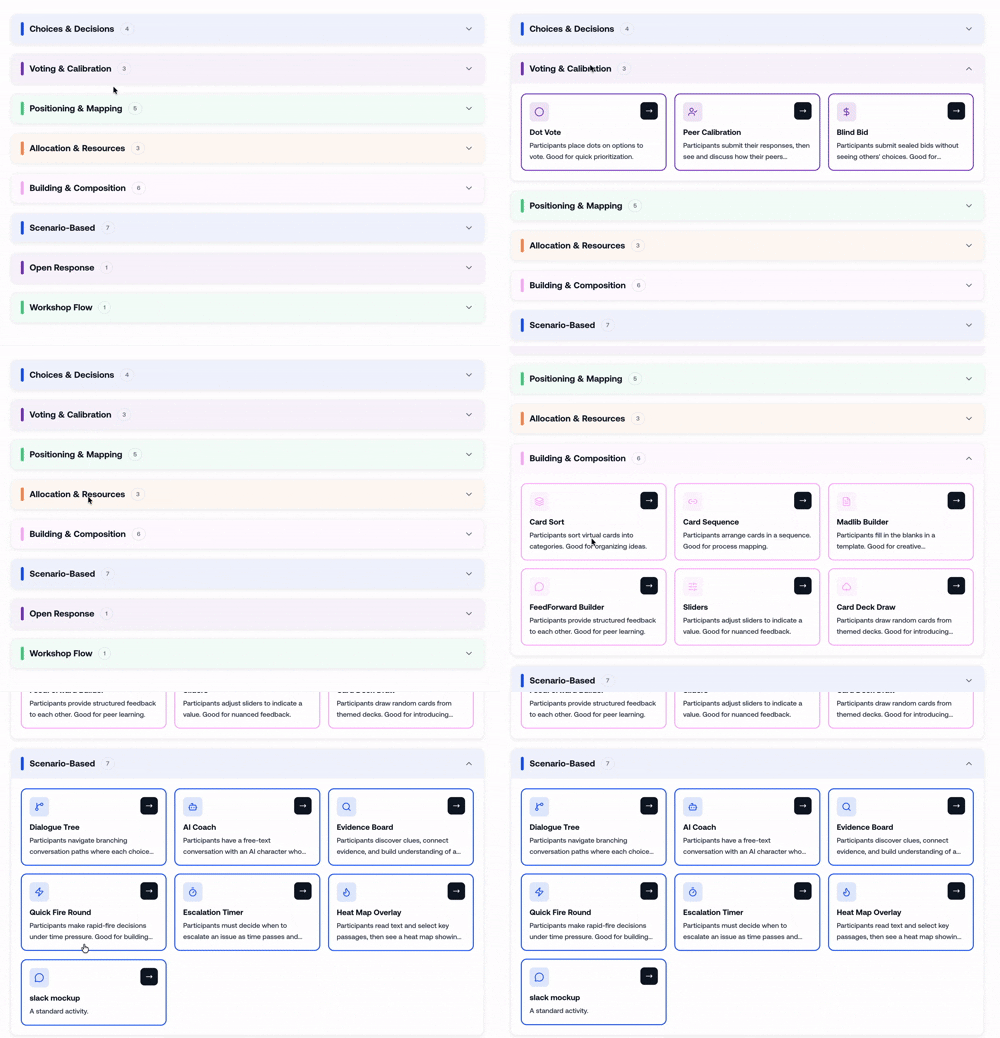
All of them are multi-step, multi-player. Modular blocks that snap together, wrap in narrative, inject with real-world data and characters.
Different formats, different cognition.
The format isn't decoration - it's the lesson.
So before building the next module, the next workshop, the next "learning experience" - it might be worth asking: what's the decision you want people to practice?
That seems like a good place to start.