IBTM World / RX GlobalConferences & Events
A leadership workshop for event industry executives
Six hours that hired 30 senior event executives into a company from 2032 and asked them to design its flagship experience. For several, the first time in years they'd designed without budget or politics in the way.
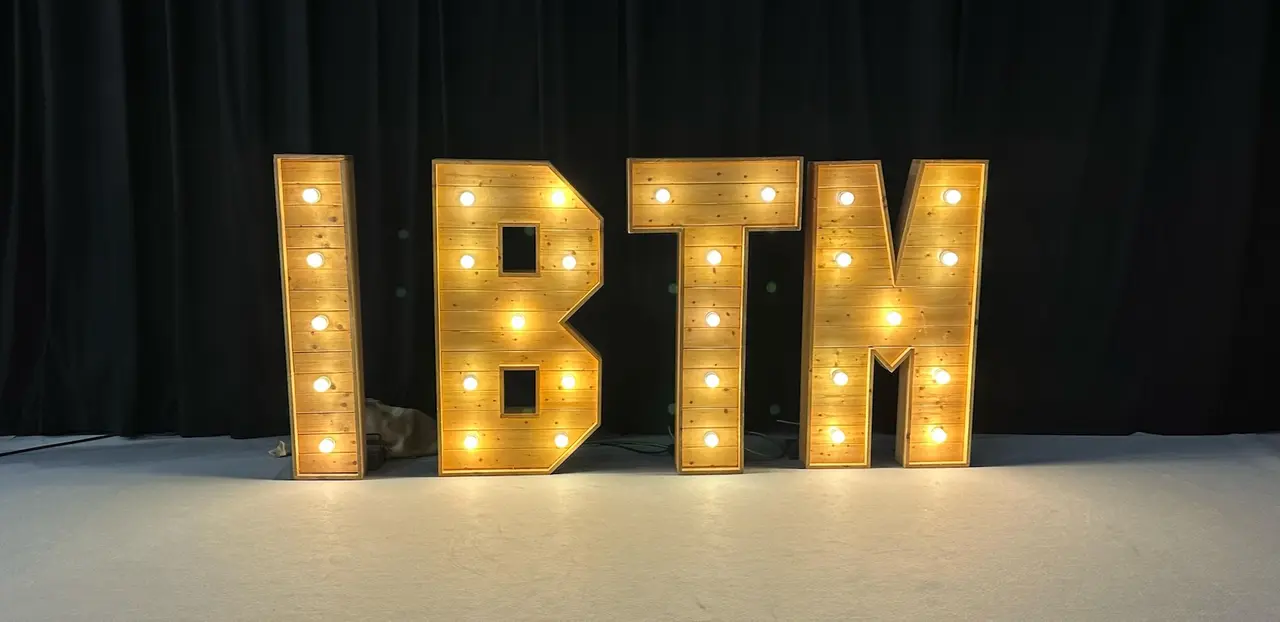
Thirty senior executives, from GitHub, Microsoft, Google, the Wall Street Journal, Canva and SXSW, walked into a room in Barcelona and were told they no longer worked for their companies. They'd been hired by Pulse: a company that won't exist for another seven years.
The challenge
IBTM World is the largest global trade show for the meetings and events industry, drawing 15,000+ professionals to Barcelona each year. For their 2025 conference, they wanted something different for their most senior attendees: an invite-only workshop that would challenge how leaders think about experience design.
These weren't people who needed convincing that experiences matter; they live in the space. What they lacked was permission to think seven years out, structured tools to stretch their thinking, and peers who understood their constraints well enough to challenge their assumptions.
One want summed it up: "I want to go bigger and braver." The question was how to create that environment in a single day.
What we built
A six-hour leadership laboratory that dropped participants into 2032 and asked them to design experiences for a world that doesn't exist yet.
A complete fictional world: Pulse
We built Pulse, the world's first emotionally intelligent platform for belonging. By 2032, Pulse powers the Belonging Index™, a global measure of human connection as influential as GDP. Its breakthrough technology, the Emotion Mesh™, reads and synchronizes emotions across groups in real time.
Participants weren't learning about Pulse. They were hired by it, with one mission: design the flagship live experience that defines its next decade.
How the day ran
Teams moved through structured 30-minute sprints, each a different dimension of experience design, and finished in a Prototype Lab.
- Sprint 1Purpose and audienceWho is this for, and what shift are we trying to create? Trend maps from 2025 to 2032 anchored bold ideas in real emerging signals.
- Sprint 2Experience architectureBuild the arc with the Eventness framework and Peak Moment design: experiences aren't remembered evenly, so you engineer the spike, not the average.
- Sprint 3Make it believableWith the MAYA principle (Most Advanced Yet Acceptable), teams paired bold concepts with trusted anchors. New wine needs old oak.
- FinalePrototype LabVisual pitches on A2 sheets and a rapid-fire showcase, then questions nobody saw coming.
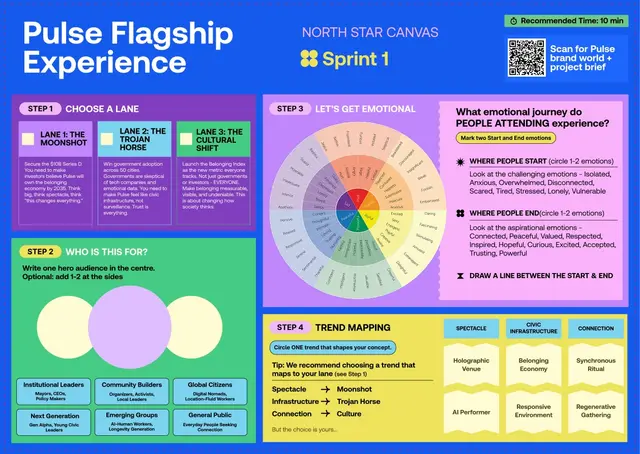
Why paper and markers
We told the room upfront: "You're going to spend six hours making things with paper and markers. Some of you might think: 'I have designers for this.'" Then we explained why.
Active creation beats passive listening. Tight time constraints and physical materials force better decisions. And co-creating with peers makes people far more likely to actually use what they built. The scrappiness was the point.
In the Prototype Lab, a custom Jeopardy-style prompt generator threw unpredictable Q&A at each team about the calls they'd made.
What shifted
No single metric, but three things participants carried out of the room:
- Frameworks that travel. They left with portable tools (Eventness, Peak Moment design, MAYA, trend mapping) that work whether you're designing a product launch or a global summit.
- Permission to think bigger. The fictional brief removed the usual filters: budget wasn't a blocker, stakeholder politics didn't apply. Several participants noted it was the first time in years they'd designed without those constraints.
- Peers who think like you. Six hours building something together shows you who thinks the way you do. The connections formed weren't conference small talk. They were creative collaborations under pressure.
Want your senior team designing beyond the quarterly cycle for a day? Book a 20-minute call →
More case studies
TBN Americas
An impact investing workshop for family offices
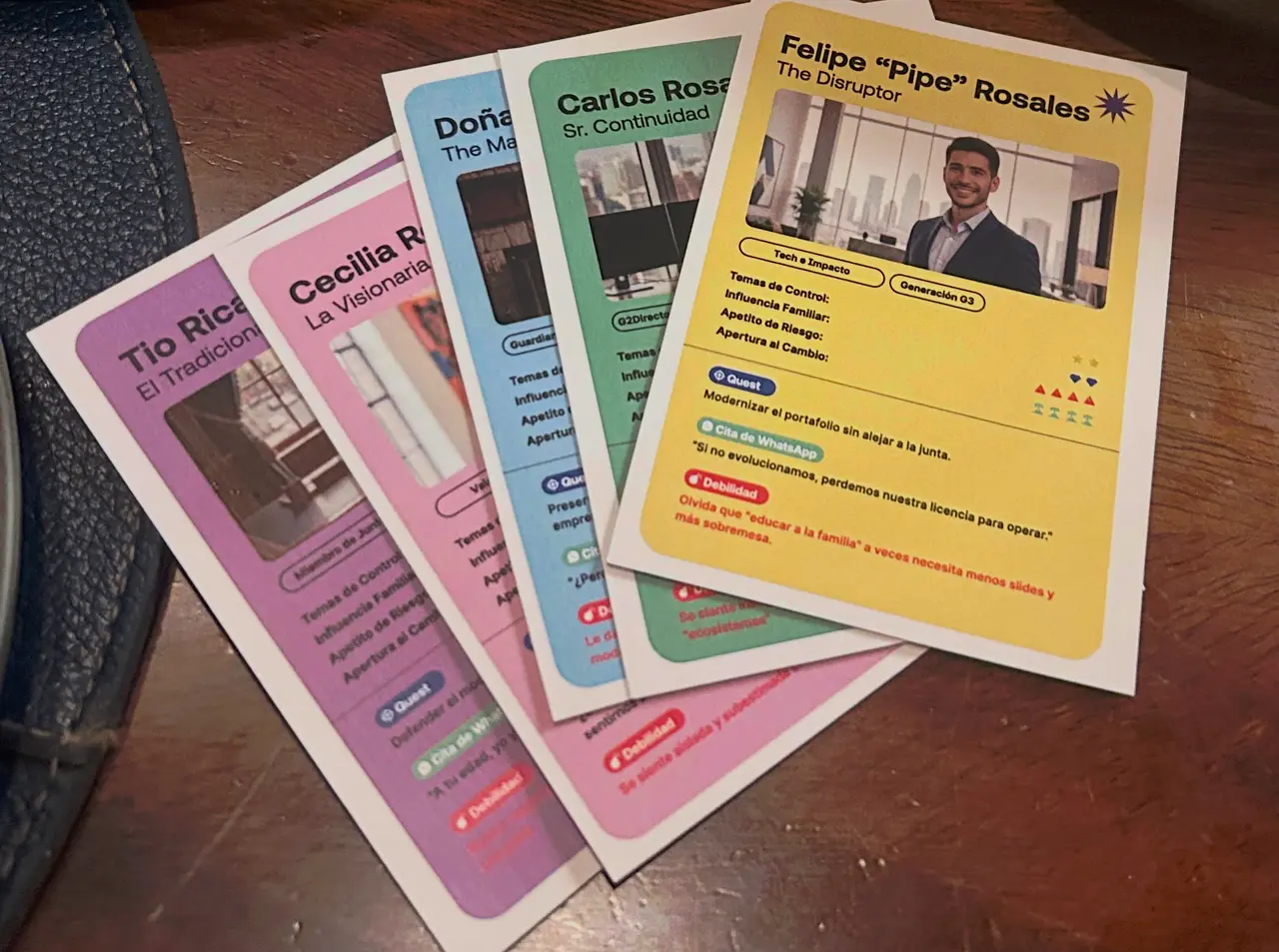
A custom card game and a hosted simulation on values-based investing for multi-generational family-office executives, making conversations about wealth transition both strategic and human.
mci group
A keynote and workshop for a global leadership academy
A keynote and a workshop for 350 leaders facing calls with no clear answer. The CEO kept using the keynote's language for weeks.
Wasserman
An off-site for an experiential agency
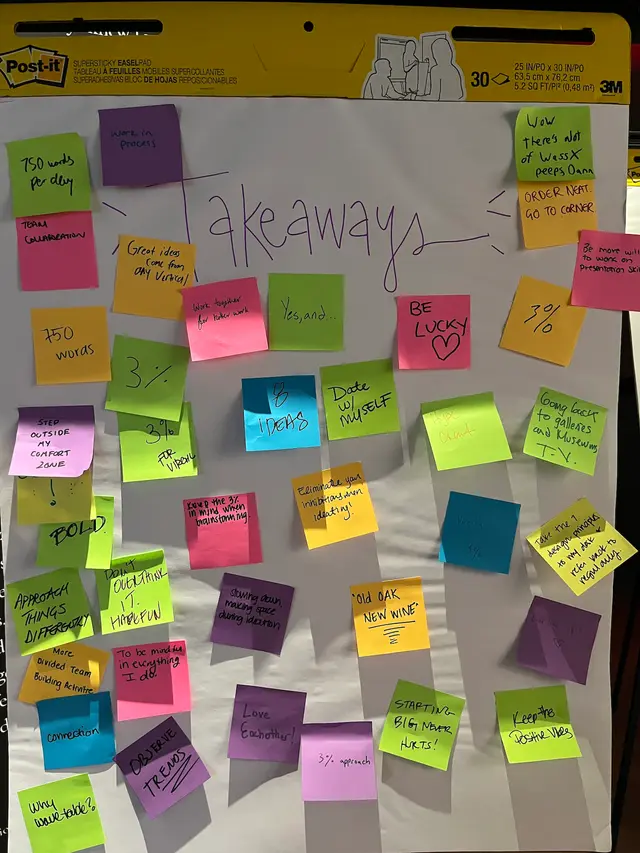
A one-day team gathering featuring design-thinking workshops, creative exercises, and team-building inspired by Virgil Abloh's methodology. Worth the two-year wait.