Your team has opinions. They're just not sharing them with you.
Programs that turn psychological safety from a concept into daily practice.
The meeting ends. Everyone nodded along.
And then the real conversations start.
Try one now, no sign-up.
Silence isn't agreement
The meeting ends. Everyone nodded along. And then the real conversations start - in Slack DMs, at coffee, walking back to desks. The objections that weren't raised. The concerns that weren't voiced. The ideas that never made it to the room.
Your team knows things you don't. They see problems you're missing. They have ideas that could change everything. But something - the culture, the power dynamics, past experiences - keeps them quiet when it matters.
Psychological safety isn't about being nice. It's about creating conditions where candor is normal, where challenge is welcomed, where speaking up doesn't feel like a risk.
You can't mandate it. But you can build the skills that create it.
Creating conditions for candor
Programs that build the specific skills involved: for leaders, the behaviors that invite challenge; for teams, the practices that make truth-telling normal.
Not trust falls. Real practice with the moments that matter.
You can't mandate psychological safety. But you can build the skills that create it.
Programs
The flight simulator for business skills
- Format
- Live, virtual or in person
- Best For
- Intact teams of 8-30, manager cohorts, emerging leaders
- Duration
- 2-hour to full-day sessions, multi-week programs
Live sessions your team plays together
Ready-to-run Programs for teams. Build essential skills through hands-on practice.
Build skills through lifelike situations before facing them on the job
What’s included
- Team assessment to surface current dynamics
- Hosted sessions on creating psychological safety
- Leader coaching on modeling vulnerability
- Practice scenarios for difficult moments
- Tools for ongoing team health checks
What changes
• Meetings where dissent is welcomed, not punished
• Leaders who model vulnerability and invite challenge
• Reduced groupthink and better decision quality
• Higher retention of people who want to contribute
In practice
See how this approach played out with a real client.
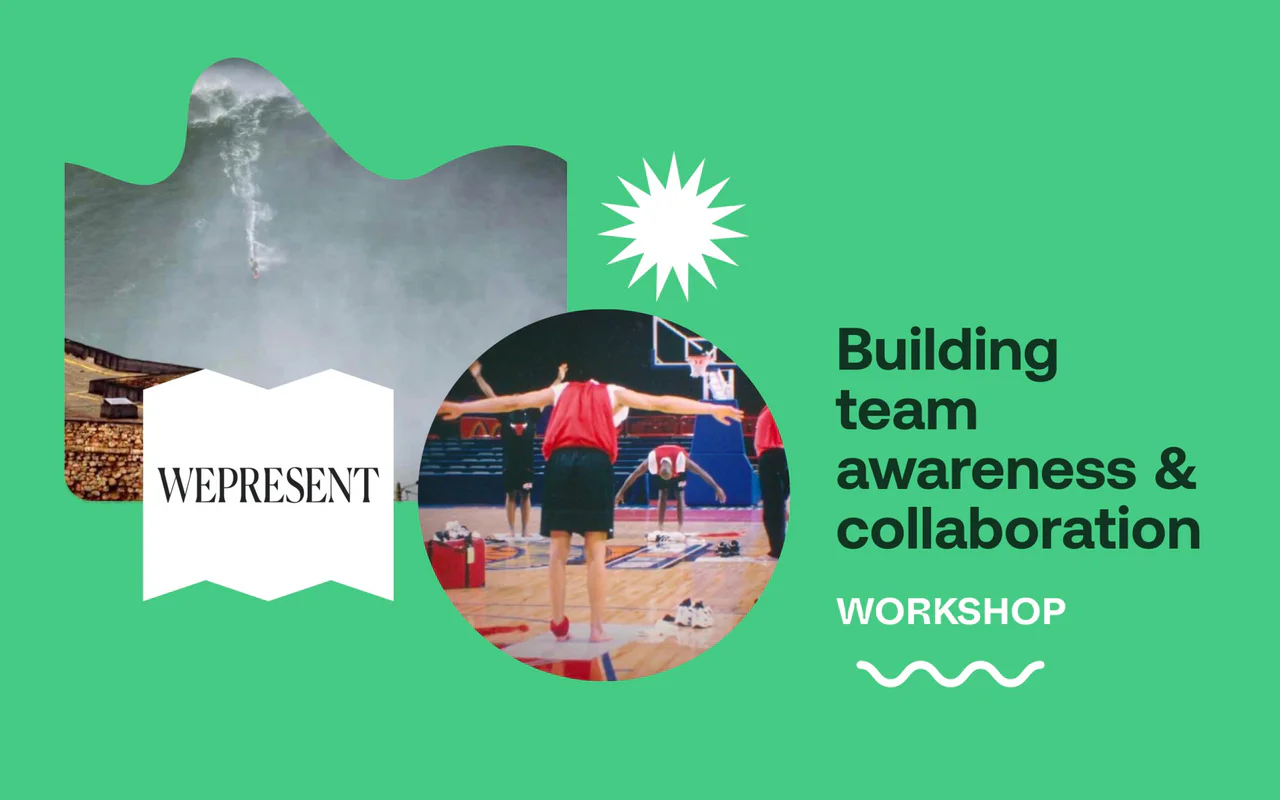 WeTransferA half-day virtual workshop for WePresent's editorial team - designed for creative collaboration, idea generation, and team dynamics in a remote-first world.Explore project
Related Reading
Deeper thinking on this topic from the Wavetable Magazine
- Behind the scenes
The Educator in Residence
CAA became Hollywood's superpower partly by teaching its way there. Why an Educator in Residence could be your firm's quiet advantage.
- People and ideas
How Airbnb used education to drive their most profitable quarter ever
How Airbnb shifted from performance marketing to brand education and drove their most profitable quarter ever.
- People and ideas
Why your favorite TV's show #SceneRemix can unlock magic for brands and educators
YouTube creator remixes The Wire into character-focused episodes - proving curation and editing skills beat traditional CVs for career building.